


Ecology is not yet ready for AI—and why that matters
AI demands more engineering discipline. Not less
If you lived through the shift from handcrafted server pets to immutable infrastructure, you should sense something oddly familiar about what's happening now.
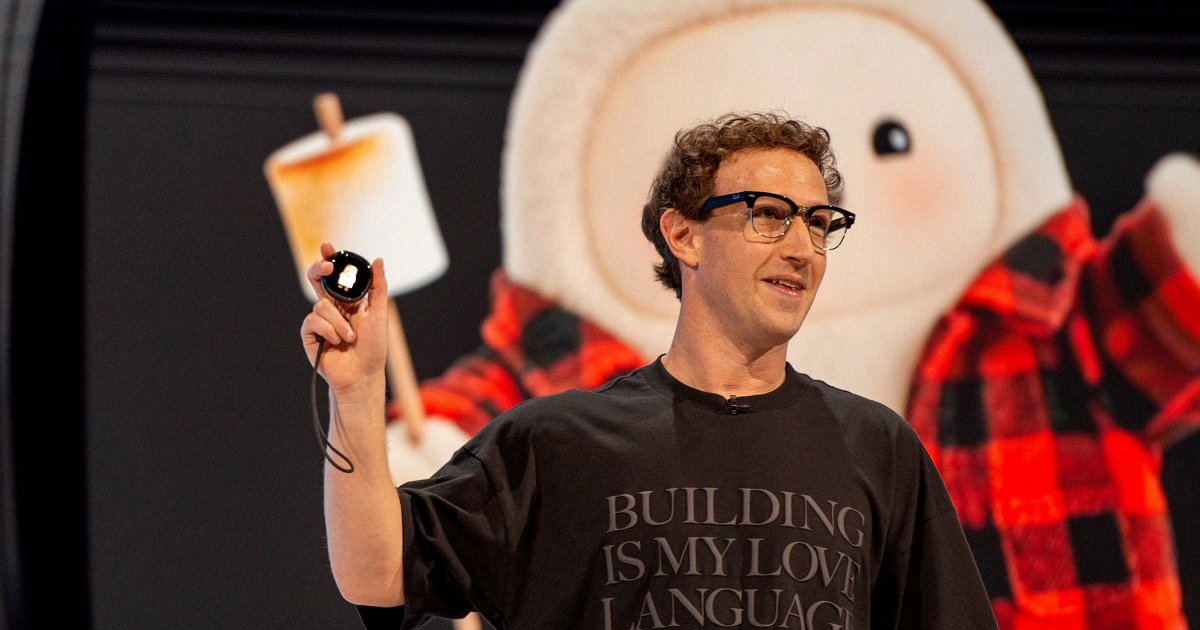
The AI Industry Has a Major Problem: Most People Aren’t Freaks Who Want an AI Agent Running Their Whole Life
There's a problem for AI agents like Meta's Muse: ordinary people don't seem very interested in what they're offering.
AI and the Republic of Science
AI promises to end scientific stagnation. But will it solve the right problem?
✨🙌 AI that helps communities thrive on their own terms
Open protocols + AI-enabled coding = building what we need for ourselves
AI Is a Product of Humanity. Humanity Should Own AI.
Big Tech has looted humanity’s creative output to create artificial intelligence. We don’t just deserve a share of AI’s profits — we deserve control over it.

Karpathy says developers have 'AI Psychosis.' Everyone else is next.
Anthropic’s Mythos, Gen Z’s backlash, and Meta’s token binge all point to the same shift: developers are feeling AI first, but not for long.

A Real Political Economy of Technology - The Ideas Letter
Two technological futures are competing for political and material priority: generative AI and the green transition. Benanav argues that while AI is marketed as a world-reordering breakthrough, its productivity gains…
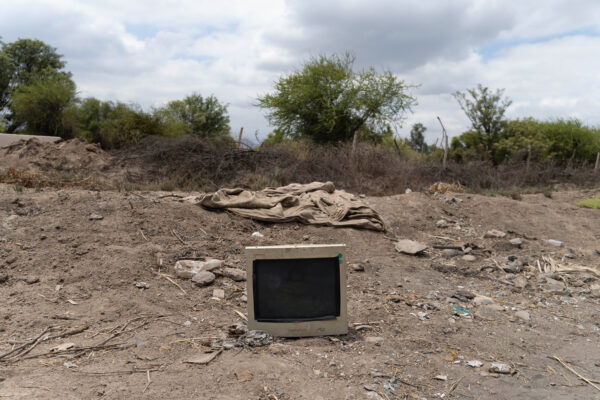
On AI and building your own GIS software
Of the thousands of essays over the past two years surrounding AI and its implications are some very thought provoking ones with enormous implications for GIS. Some of the essays are around the the…

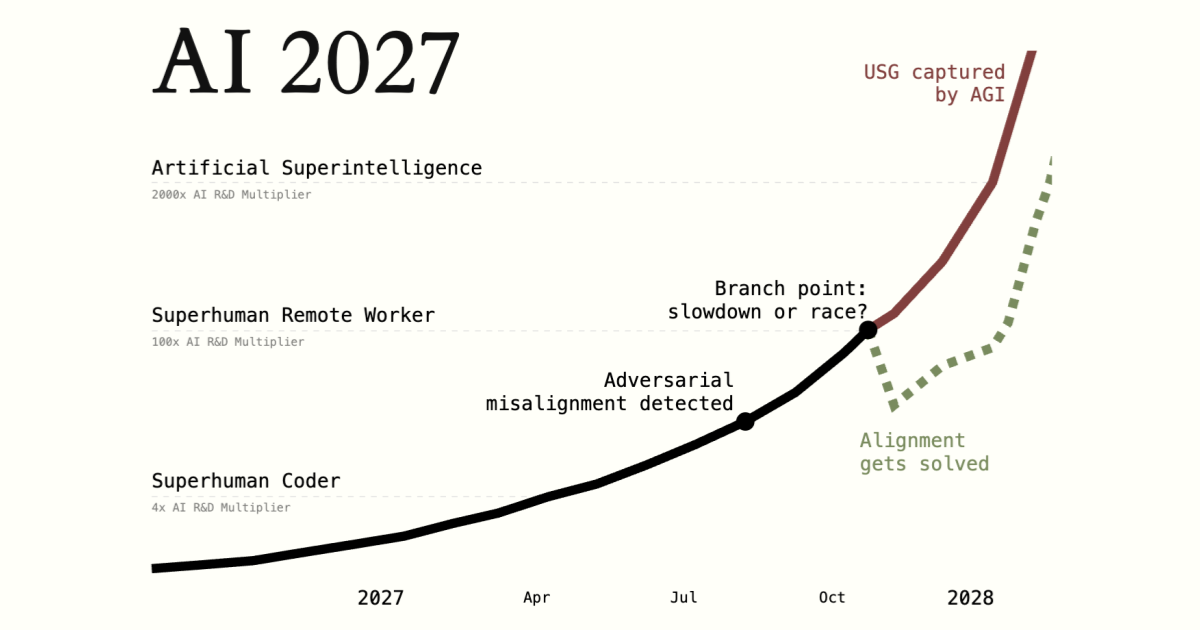
The Singularity Is Not What It Seems
Whatever the AI future is, we’re in it right now.
The Singularity Is Not What It Seems
Whatever the AI future is, we’re in it right now.
Coasts — Containerized Hosts for AI Agents
Free, open source parallel runtimes for AI agents. Run multiple isolated environments on your machine — no cloud, no conflicts.
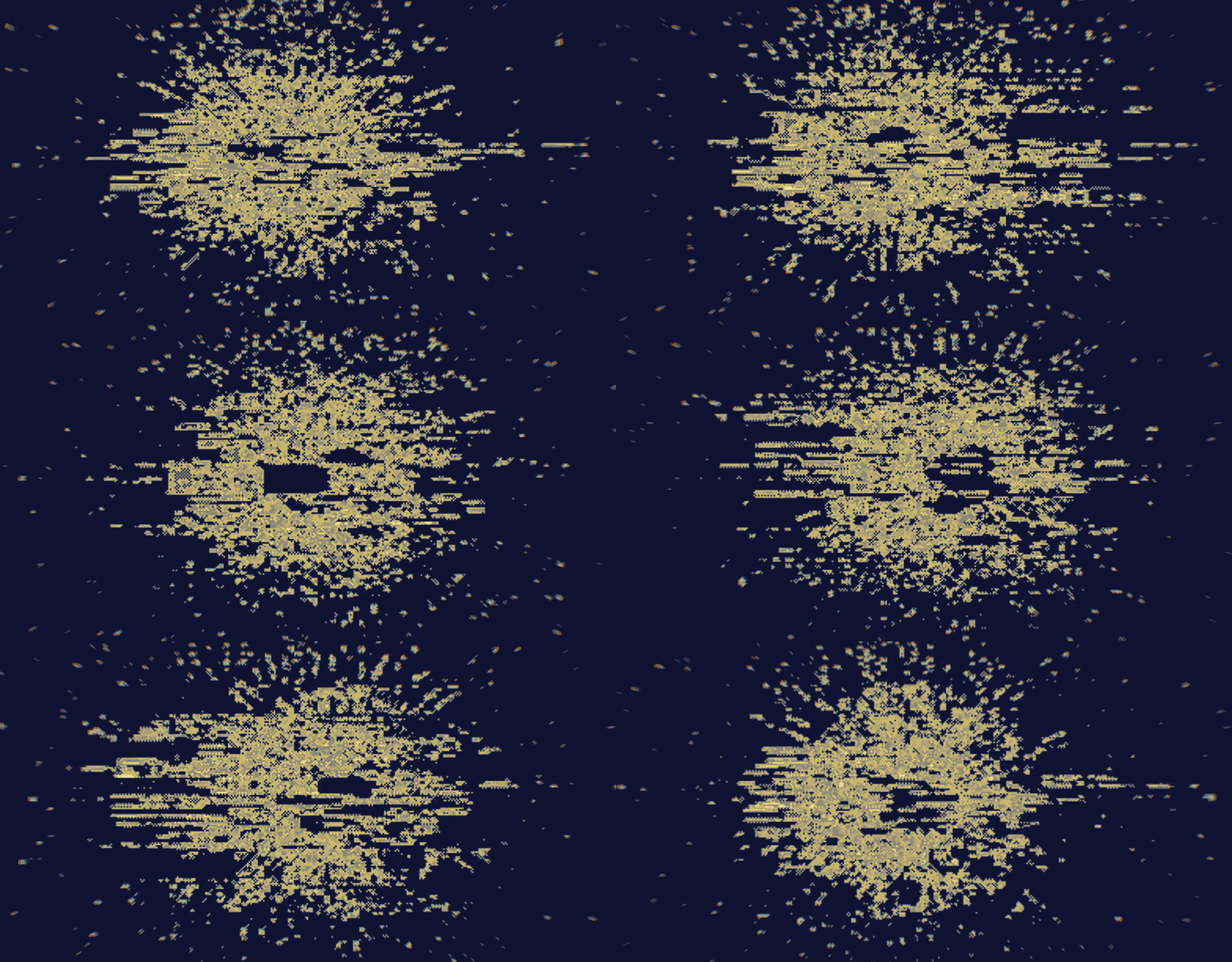
Andrew Ng: The Biggest Opportunities in AI Aren't Where You Think
AI Safety Is a Narrative Problem · Special Issue 5: Grappling With the Generative AI Revolution
This op-ed explores power and narrative dynamics around AI. Drawing on pop-culture references, the professional experiences of the author and examples from 2023’s “Great AI Safety Hype Roadshow,” this piece draws on the literary criticism technique of practical criticism to consider how speeches and announcements from both Silicon Valley executives and research scientists to interrogate the media-friendly nature of p(doom) discourse—which focuses on the existential risks of AI (PauseAI, 2023)—and its likely consequences. The complexities of AI and its numerous social impacts can be difficult for even the most expert analyst to unpack. In spite of this, the potential of “existential threats” has successfully cut through to become a mainstay of mainstream media coverage over the last year. This piece will make the case that this is an effective narrative conceit that has achieved a number of ends that traditional science communication tends to find difficult, if not impossible, to achieve. Firstly, it is easy to understand. Simplification of this nature—that removes jargon and complexity and focuses on a single outcome—is much easier to fit on a TV rolling news ticker or on the cover of a tabloid newspaper than more well-balanced, representative opinions. Secondly, it inherits prior assumptions from well-known dramatic forms. P(doom) plays to stories familiar from Greek tragedy through to Marvel movies, in which lone male heroes battle ineluctable forces. Thirdly, it is imbued with urgency and so becomes difficult to ignore.

The New Software Lifecycle
I co-wrote a Google whitepaper about how AI is changing the software lifecycle. I'm not going to summarize the whole thing. Instead, here are the handful of ...
We Need To Rewild The Internet
The internet has become an extractive and fragile monoculture. But we can revitalize it using lessons learned by ecologists.
