Doubts over transatlantic intelligence-sharing is bringing European intelligence agencies closer together.
Create a CIA-style European spy service, von der Leyen is told
The bloc should green-light a “fully fledged intelligence cooperation service at the EU level,” said former Finnish President Sauli Niinistö in a sweeping new report.

Privacy as EU Tech advantage - The LeafPlaza Blog
Online crime loves legal massive data collection, grey systems, and jurisdictional gaps. Privacy-first design can actually reduce crime exposure and build trust in digital services. It is also central to the EU's tech autonomy: build systems aligning with European rights and risk models. Do not rely on foreign platforms or copy outside practices that might go against the EU values and needs.
Incoming Dutch coalition floats European version of ‘Five Eyes’
New government says rising threats require faster and more proactive intel services.


Ireland and Spain Launch Investigations Into X’s Grok
Various other nations have also launched investigations into the artificial intelligence chatbot.

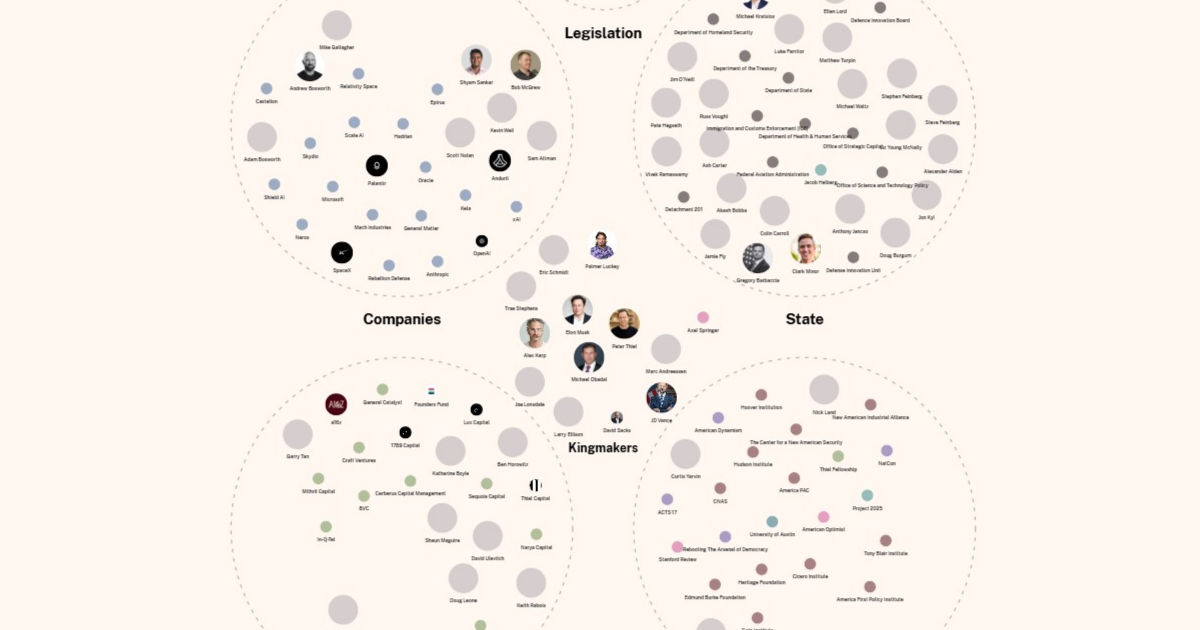
The Authoritarian Stack
How Tech Billionaires Are Building a Post-Democratic America — And Why Europe Is Next
‘Now we’re in a power struggle’: Europe’s resentment grows over Trump’s newest provocations
President Trump has backed off his threats toward Denmark's territorial sovereignty, but he and aides have continued to irritate much of Europe.
W-Social: What does sovereignty mean for social media? – Open Future
The European Commission’s move to W-Social frames it as a European alternative to X, but its closed-source code and reliance on Bluesky’s infrastructure show that sovereign social media requires open infrastructure—not European ownership alone.

Europe 2031 — What getting AI wrong means for us
A five-year scenario about AI and Europe's impending slide into irrelevance, with a 2034 epilogue that describes how the collapse of the European model could have been prevented.
German general warns NATO must brace for potential Russian attack
“Deterrence only works if it’s credible,” top officer warns.

Dangerous Technology For Americans Only
AI nationalism, safety and European weakness.

Meta CIB / ATP Dashboard
A comprehensive intelligence platform analysing 214 coordinated inauthentic behaviour and adversarial threat operations identified by Meta across 70 countries, spanning April 2018 to Q4 2025.
Eurosky is collaborating with SPRIND to test a non-toxic algorithm for the first time - Eurosky
Eurosky is a European initiative to build and operate sovereign social web infrastructure
Bridging Systems: Open Problems for Countering Destructive Divisiveness across Ranking, Recommenders, and Governance
Divisiveness appears to be increasing in much of the world, leading to concern about political violence and a decreasing capacity to collaboratively address large-scale societal challenges. In this working paper we aim to articulate an interdisciplinary research and practice area focused on what we call bridging systems: systems which increase mutual understanding and trust across divides, creating space for productive conflict, deliberation, or cooperation. We give examples of bridging systems across three domains: recommender systems on social media, collective response systems, and human-facilitated group deliberation. We argue that these examples can be more meaningfully understood as processes for attention-allocation (as opposed to "content distribution" or "amplification") and develop a corresponding framework to explore similarities - and opportunities for bridging - across these seemingly disparate domains. We focus particularly on the potential of bridging-based ranking to bring the benefits of offline bridging into spaces which are already governed by algorithms. Throughout, we suggest research directions that could improve our capacity to incorporate bridging into a world increasingly mediated by algorithms and artificial intelligence.

🇪🇺🌐 The future of social media may be decided in Europe
A survey of European AT Protocol projects, including 4 mini case-studies

Erik Brynjolfsson on Twitter / X
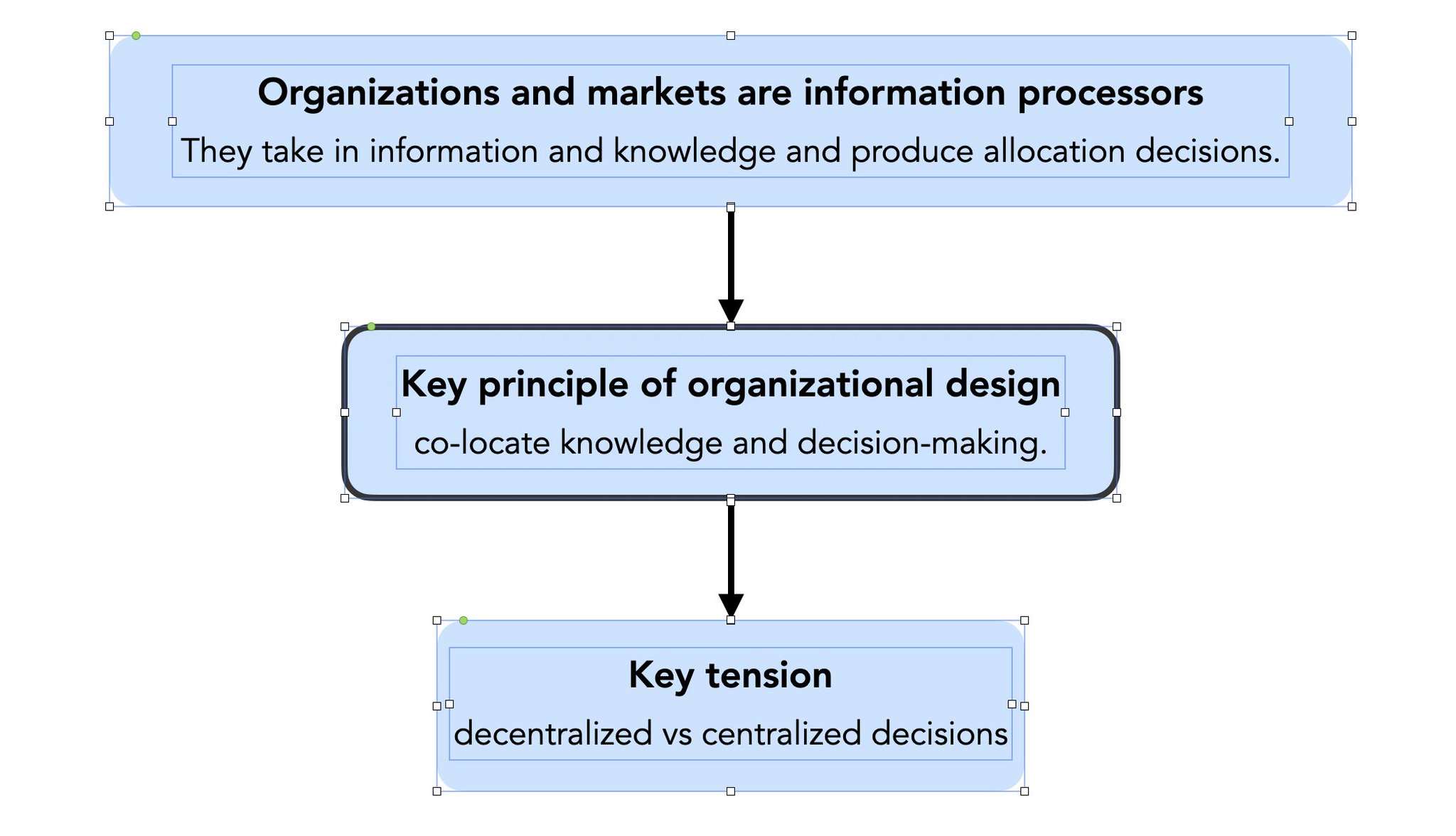
The @nytimes piece today by @ByrneEdsal13590 highlights a concern I share: “If we stay on the current path, the risk of extreme concentration — both economic and political — is very real.”In work with @zhitzig, we ask why AI may shift the balance between dispersed knowledge… pic.twitter.com/10vOTRj4Dq— Erik Brynjolfsson (@erikbryn) March 17, 2026