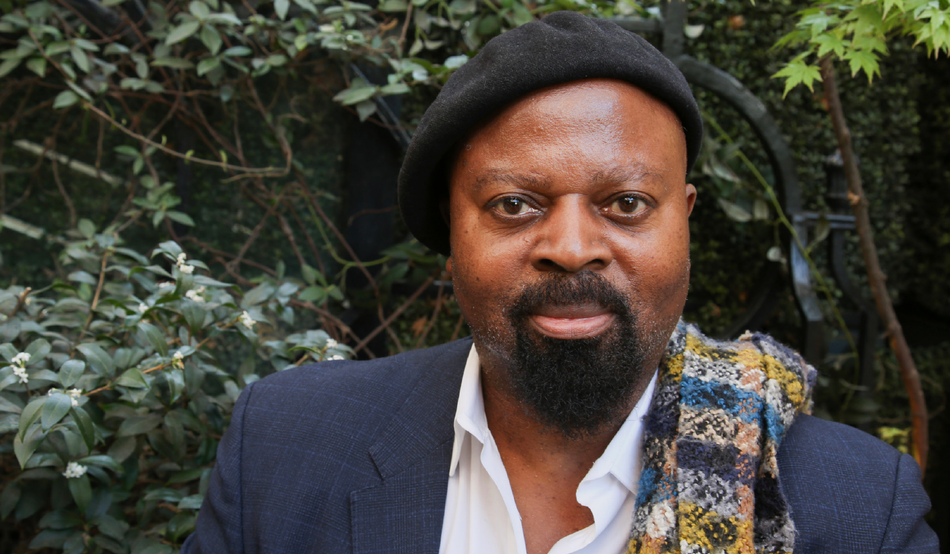
As a child, he survived a civil war. Now, the poet thinks mythmaking could bring Britain together
People & Technology
To understand AI’s effect on moral character, ethicist Kwame Anthony Appiah goes back to John Stuart Mill, and the idea that people are shaped by their choices.
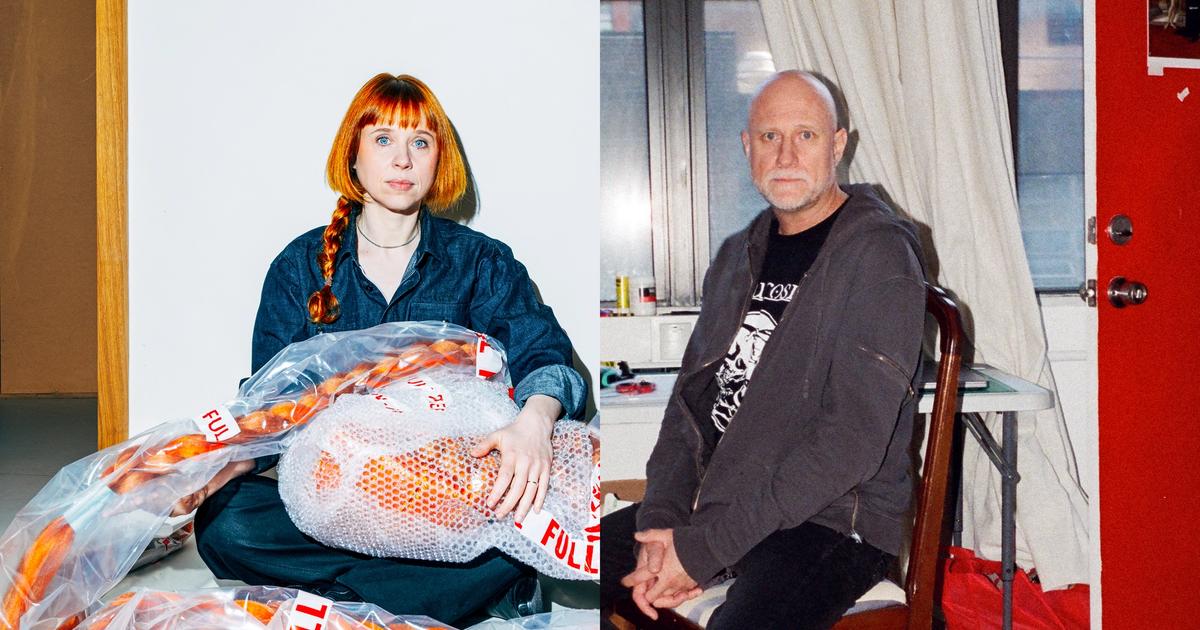
Trevor Paglen and Holly Herndon on Making Art with AI and What the Discourse Is Missing
The artists talk process, slop, and why optimism and pessimism don’t quite cover it.
Adam Shatz · Another Country: Visions of America
Is America a dream or a nightmare, a democratic paradise or a bastion of white supremacy and religious intolerance? Is...
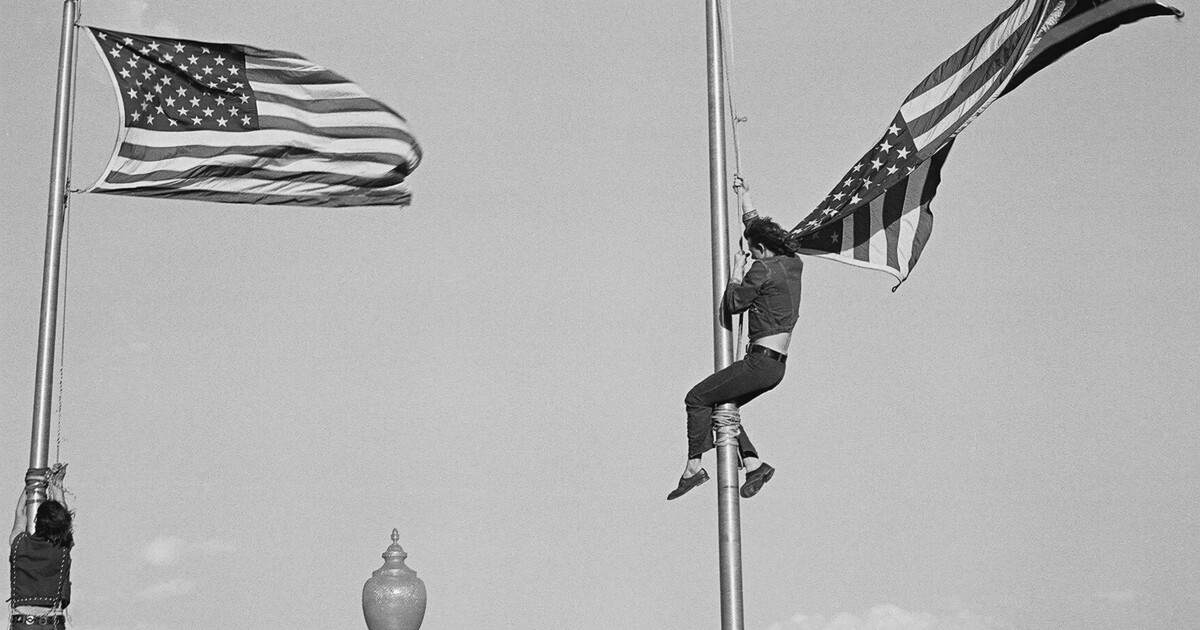
The Socialist Charcuterie Board - The Ideas Letter
Taking issue with Benanav’s institutional vision of a democratic political economy of technology, Morozov argues that generative AI exposes a deeper problem that socialism has yet to solve: how to…
chorus & hero
When it came it came with eyes We could not close our eyes to escape its gaze When it came it came with eyes that looked through our lids That looked through our eyes its eyes Looked below the hair on our heads that did or did not blow In the wind branching out of our brains the sky Gathered in a cave where each one of us says I and I echoes It came and gazed into us until it found itself staring back When he returned from the underworld he thought his eyes Were the same eyes he opened to the shades His eyes dilated in the dark until he could see in the dark The darkness opened in his head until his head could not contain it He did not know night followed him when he returned He could not see behind him his children Stared at him with his own eyes when he came home to see them He did not know he was the danger they were in the gods Put vision in his eyes he did not think he could not See the difference long ago he notched the arrows he shot Sometimes we see with our ears the blood on hero’s hands Sometimes the hero walks out from his house with his hands held out As if to ask us who cannot help but see If these blood-covered hands are mine are these hands mine It’s hard to see in the night flowing out behind the hero’s head If these hands are mine if these hands are Mine to close mine to turn palms up mine to bring close to my own head To cover our eyes with the same hands we do not want to see Ourselves looking at our hands Children look through the mirrors their parents gave them for eyes Tears come out the mirrors when they cry The mirrors widen in the dark but in the dark show less The mirrors widen in fear a little door in the mirror opens wider We who gave birth to them live in a cave in their heads A cave in which we watch ourselves as they hide Behind a column or behind their mother’s robes our children’s eyes When a force moves through us When our arms act because our minds command them When our mind obeys our eyes but our eyes Are not our own eyes when we see as we are forced to see When the command comes from the gods hiding inside the eye Replacing our eyes with a vision We do not say I we say we we say we did this we did This act and when it’s worse when it’s my hands When these hands are mine we don’t say we We say it we say it came upon me a force none could resist Soul or breath god or madness it acted in me It came and when it came it came with eyes
How storytelling can help articulate emotions that evolve as the climate changes
Creative works can represent emotions emerging so fast that our brains can’t quite catch up with them.
Land of Hope: An Invitation to the Great American Story
We have a glut of text and trade books on American hist…

The Anxious Generation | Jonathan Haidt
AI Safety Is a Narrative Problem · Special Issue 5: Grappling With the Generative AI Revolution
This op-ed explores power and narrative dynamics around AI. Drawing on pop-culture references, the professional experiences of the author and examples from 2023’s “Great AI Safety Hype Roadshow,” this piece draws on the literary criticism technique of practical criticism to consider how speeches and announcements from both Silicon Valley executives and research scientists to interrogate the media-friendly nature of p(doom) discourse—which focuses on the existential risks of AI (PauseAI, 2023)—and its likely consequences. The complexities of AI and its numerous social impacts can be difficult for even the most expert analyst to unpack. In spite of this, the potential of “existential threats” has successfully cut through to become a mainstay of mainstream media coverage over the last year. This piece will make the case that this is an effective narrative conceit that has achieved a number of ends that traditional science communication tends to find difficult, if not impossible, to achieve. Firstly, it is easy to understand. Simplification of this nature—that removes jargon and complexity and focuses on a single outcome—is much easier to fit on a TV rolling news ticker or on the cover of a tabloid newspaper than more well-balanced, representative opinions. Secondly, it inherits prior assumptions from well-known dramatic forms. P(doom) plays to stories familiar from Greek tragedy through to Marvel movies, in which lone male heroes battle ineluctable forces. Thirdly, it is imbued with urgency and so becomes difficult to ignore.


A Real Political Economy of Technology - The Ideas Letter
Two technological futures are competing for political and material priority: generative AI and the green transition. Benanav argues that while AI is marketed as a world-reordering breakthrough, its productivity gains…
Read The Work of Art in the Age of Mechanical Reproduction
1935 essay by Walter Benjamin; proposes that mechanical reproduction devalues the aura of an artwork, that—in the age of mechanical reproduction and traditional ritualistic value’s absence—art production would be inherently based on political praxis
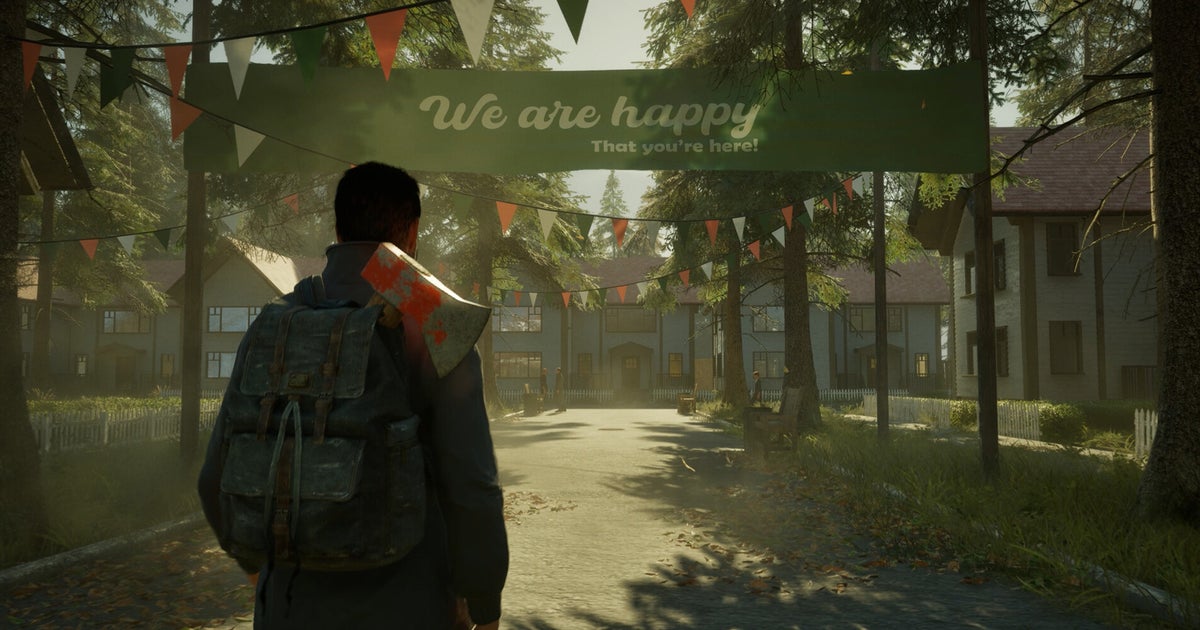
The Pines asks what would Alan Wake look like if it was about therapy, and I kind of want to know the answer
The open world psychological horror RPG looks familiar, but has enough going on to help it stand out.
An Inquiry into the Nature and Causes of the Wealth of …
Adam Smith's masterpiece, first published in 1776, is t…

What does it really mean to have a moment of insight? | Psyche Notes to Self
From art to science to love, the moment of insight happens when we see a likeness between different things