

Restate is a lightweight runtime that lets developers build innately resilient distributed apps without the complexity tax.
microcosm: atproto building blocks
Open-source atproto services and resilient community infrastruture to launch your next app
Building More Resilient Local-First Software with atproto | jakelazaroff.com
atproto has the potential to become a rock-solid replacement for the most fragile part of any local-first app: the sync server.
Open Forks of Boring Apps With Authority - Woodys Rows
The Atmosphere can win by becoming the foundation for software people already need to use because of real-world relationships.
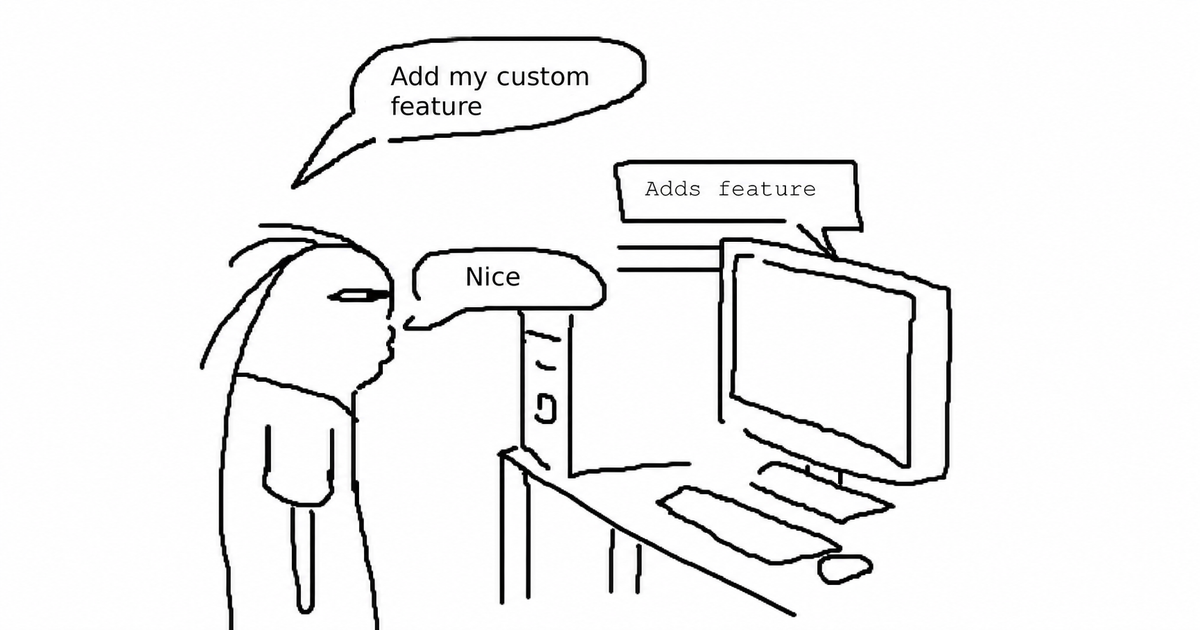
Extensible Software in the age of LLMs | Jeremy Morrell
Solid core + capability-based sandboxes + LLMs = Users with superpowers
Code as Content on ATProto — Filae
Apps as ATProto records - a proof-of-concept for serverless, user-owned applications.

third-party apis: community infrastructure on atproto - Keith's Thoughts
you can just build things from an open set of tools
Tests Are The New Moat | Daniel Saewitz
As AI becomes better at cloning people's open source work, what ends up becoming most valuable are software contracts, tests, and API surface area. This clashes the incentives of clearly defining your commercialized open source software with protecting it.
Desktop apps
Build self-contained desktop applications from a Deno project, with framework auto-detection, hot reload, native windowing, auto-update, and cross-platform distribution.
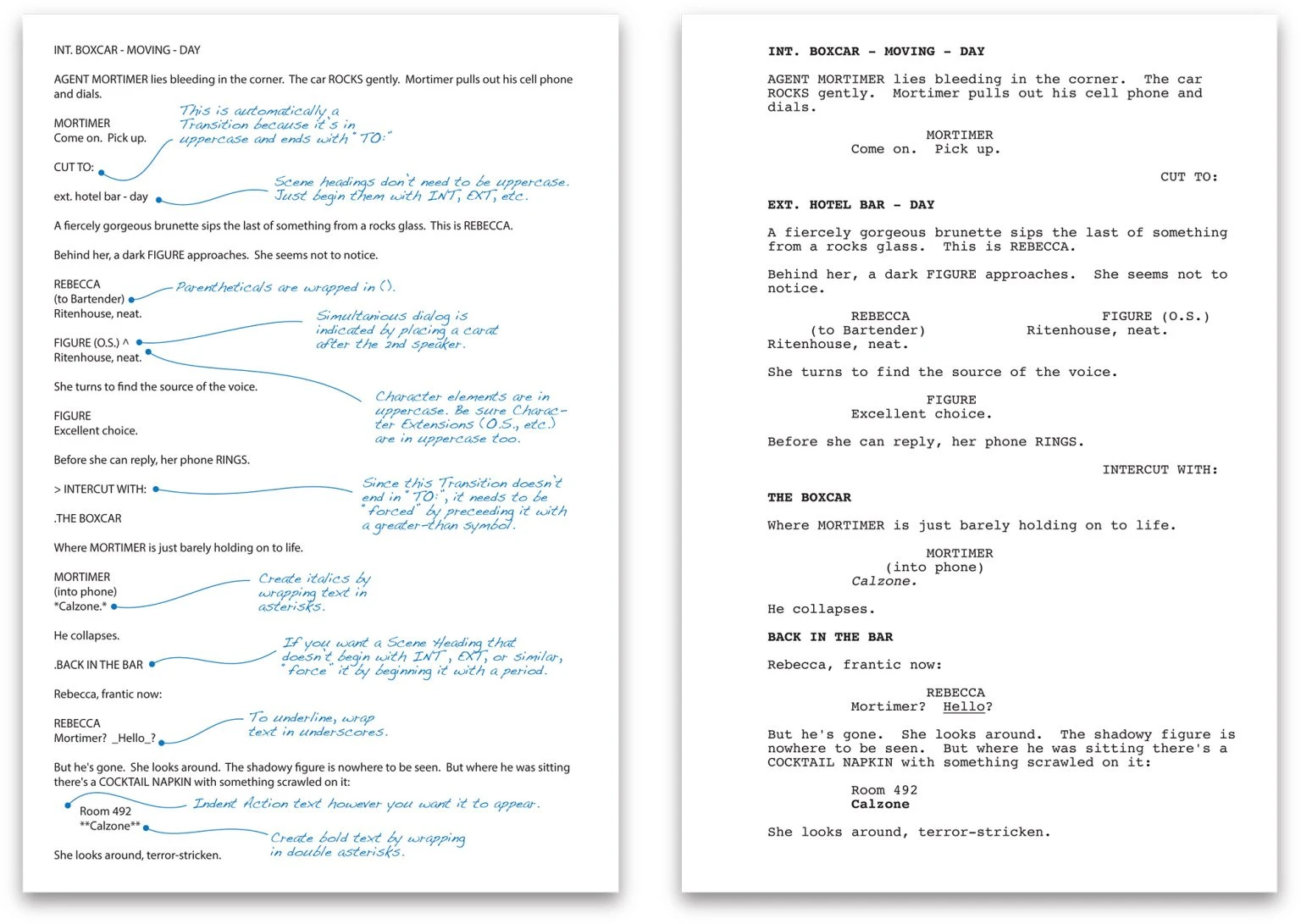
File Over App: A Philosophy for Digital Longevity
My take on the 'file over app' philosophy and why it’s essential for keeping my data resilient and built to last.
Habitat's road to release: 07 bridging traditional SaaS apps - building [at] habitat
building bridges to the (organizational) atmosphere
Sprites - Stateful sandboxes
Persistent, hardware-isolated execution environments for arbitrary code. Run AI agents, untrusted code, and more in secure sandbox environments with checkpoint & restore.
Evaluations Are the Real Codebase - The Phoenix Architecture
Why behavior outlives implementations
psf (@psf@oldbytes.space)
In their article ["Malleable Software"](https://www.inkandswitch.com/essay/malleable-software), Ink & Switch list various ways that modern software applications fail to serve the user: - Software is too rigid: users can’t tailor it to suit their workflow, except by entering the role of programmers. - Software applications are overspecialized "avocado slicers", not general tools like "knives", so their lack of tailorability is keenly felt. - Software doesn’t provide a reasonable learning curve from beginner to expert; in other words, time spent learning an application doesn’t unlock tailorability, instead the end user must learn an unrelated skill like a markup/scripting language or even the tool’s implementation language. - Software applications are increasingly siloed, so sharing data between apps, let alone orchestrating cross-app workflows, is overly difficult. These are real problems. From what I can tell, Ink & Switch are software researchers, and view the problems from a highly technical perspective, focusing on novel infrastructure that enables end-user programmability. They pose questions such as "how do we ease users into programming?" and "instead of shipping a dead, static binary, can we ship a living image containing programming tools allowing it to be modified in arbitrary ways while still running?" These ideas are technologically exquisite, but they fail to provide a gentle learning curve. (cont'd) 🧵
honox - npmx
**HonoX** is a simple and fast meta-framework for creating full-stack websites or Web APIs - (formerly _[Sonik](https://github.com/sonikjs/sonik)_). It stands on the shoulders of giants; built on [Hono](https://hono.dev/), [Vite](https://vitejs.dev/), and
