


Facilitating infrastructure for open science
Center for Open Science
At the Center for Open Science, our mission is to increase openness, integrity, and reproducibility of scholarly research. Promoting these practices within the research funding and publishing communities accelerates scientific progress

Open Science Needs Open Compute
Why independent science will depend on compute, not just funding, and why providing it is the best bet we can currently make.
Open Science Needs Open Compute
Why independent science will depend on compute, not just funding, and why providing it is the best bet we can currently make.
Continuous Science Foundation | Transform Science Together—Get Involved
Explore how the Continuous Science Foundation promotes open, continuous, and collaborative scientific research through innovative tools, standards, and community support.
Science is open software
TL;DR I claim that modern science is synonymous with open source software. This post explains why, why it matters, and what you can (and should) do next. Why do you care about (open source) software? - Everyone I spend a lot of my time working on software. I have been asked why software matters more times than I can remember. Software is, people say, not science. It’s a time sink, something to rush past in the pursuit of what really matters: results (and papers if you’re in academia).
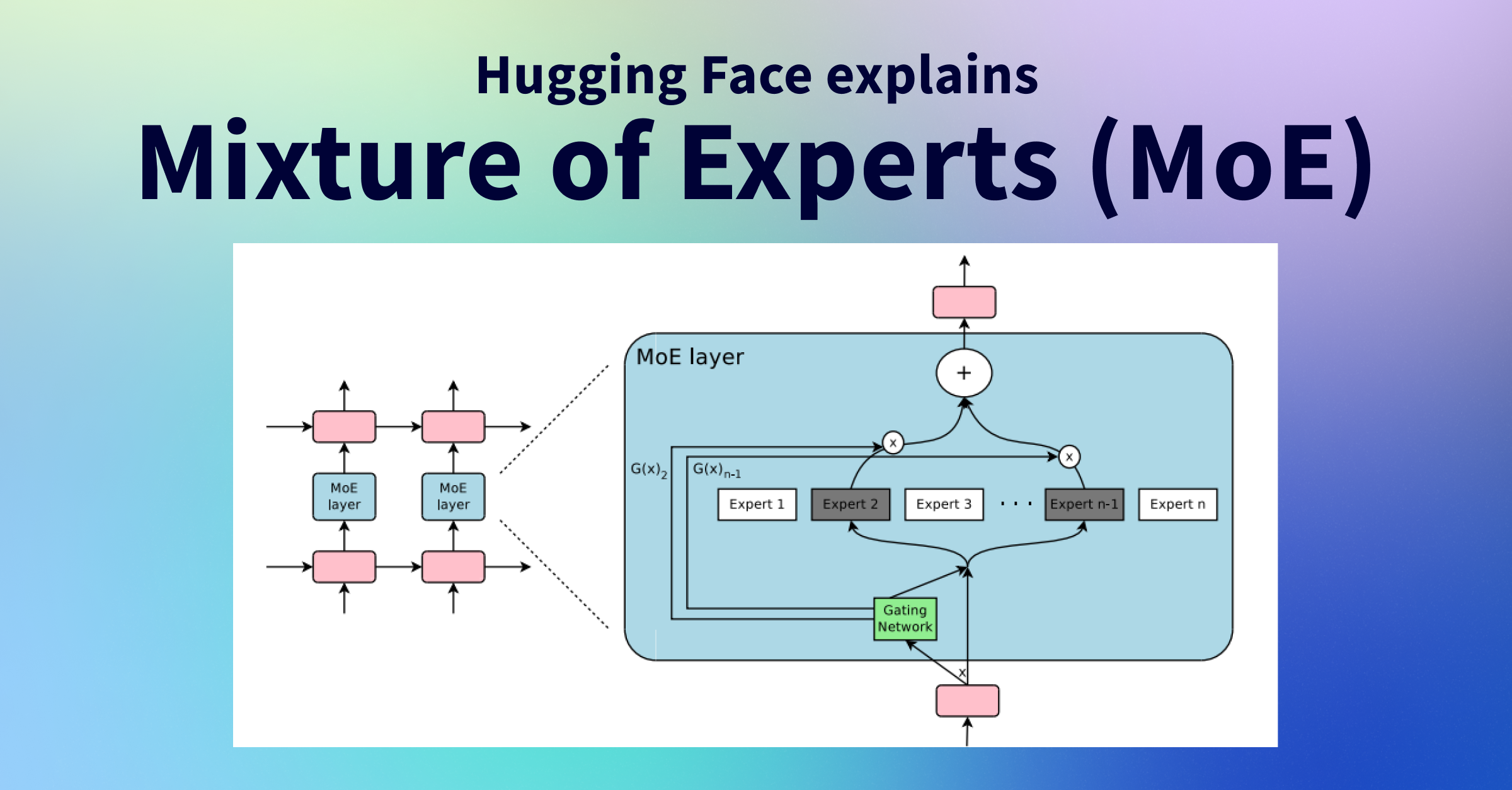
Mixture of Experts Explained
We’re on a journey to advance and democratize artificial intelligence through open source and open science.
FORRT - Framework for Open and Reproducible Research Training
Integrating open and reproducible science into higher education
Anatomy of a Frontier Lab Agent Intrusion: A Technical Timeline of the July 2026 Incident
We’re on a journey to advance and democratize artificial intelligence through open source and open science.


ATScience 2026
A full-day exploration of AT Protocol for science, education, and open knowledge. A side event to AtmosphereConf 2026 @ Vancouver, March 27, 2026

The Drain of Scientific Publishing
The domination of scientific publishing in the Global North by major commercial publishers is harmful to science. We need the most powerful members of the research community, funders, governments and Universities, to lead the drive to re-communalise publishing to serve science not the market.

third-party apis: community infrastructure on atproto - Keith's Thoughts
you can just build things from an open set of tools
The Missing Middle of Open Source
Why serious, maintainer-driven projects struggle to sustain themselves—and what it will take to fix it.

The Scientific Contribution Graph: Automated Literature-based Technological Roadmapping at Scale
Sir Isaac Newton famously wrote, “If I have seen further, it is by standing on the shoulders of giants”. Scientific contributions are rarely developed in isolation, but build upon prior contributions, such as problem framings, experimental methods, and empirical findings. Understanding these prerequisite relationships is important for studying scientific progress, and for automated scientific discovery systems that must reason about which existing capabilities can be used to develop new ones (e.g. Lu et al., 2024; Jansen et al., 2025b; Baek et al., 2025).
Home | Bellingcat's Online Investigation Toolkit
A toolkit for open source researchers
