LLM “skills” are a short explanatory prompt for a particular task, typically bundled with helper scripts. A recent paper showed that while skills are useful to…
LLMs reward expertise
In the 2010s, if you had technical gaps (say, you couldn’t write CSS), you had to either rely on a skilled colleague or just hope that the answer to your exact problem was out there on the internet. Today, everyone can write sort-of-okay CSS by delegating the task to an LLM. LLMs make everybody into a generalist.

What the AI Wizard taught us about LLM code generation at scale - PostHog
You know what’s boring? Writing integrations. It’s a task you’ll do once, but you always need to do it right, which means carefully reading docs…
Guardian Angels: LLM Personalization for Productivity and Security
I propose an approach for highly personalized LLMs, for near-future productivity gains and personal info/cybersecurity against increasingly powerful LLMs: they should, in the spirit of uploading, try to emulate the user’s values and preferences in order to amplify the principal—not replace them. I discuss a package of techniques and proposals to accomplish such ‘guardian angels’; dynamic evaluation of LLMs combined with active learning and elicitation and heavy inner-monologue search/data-augmentation.

LLMs and performative productivity
It's worth asking whether LLMs are actually making us more productive at all—and if so, what we might be sacrificing in return.
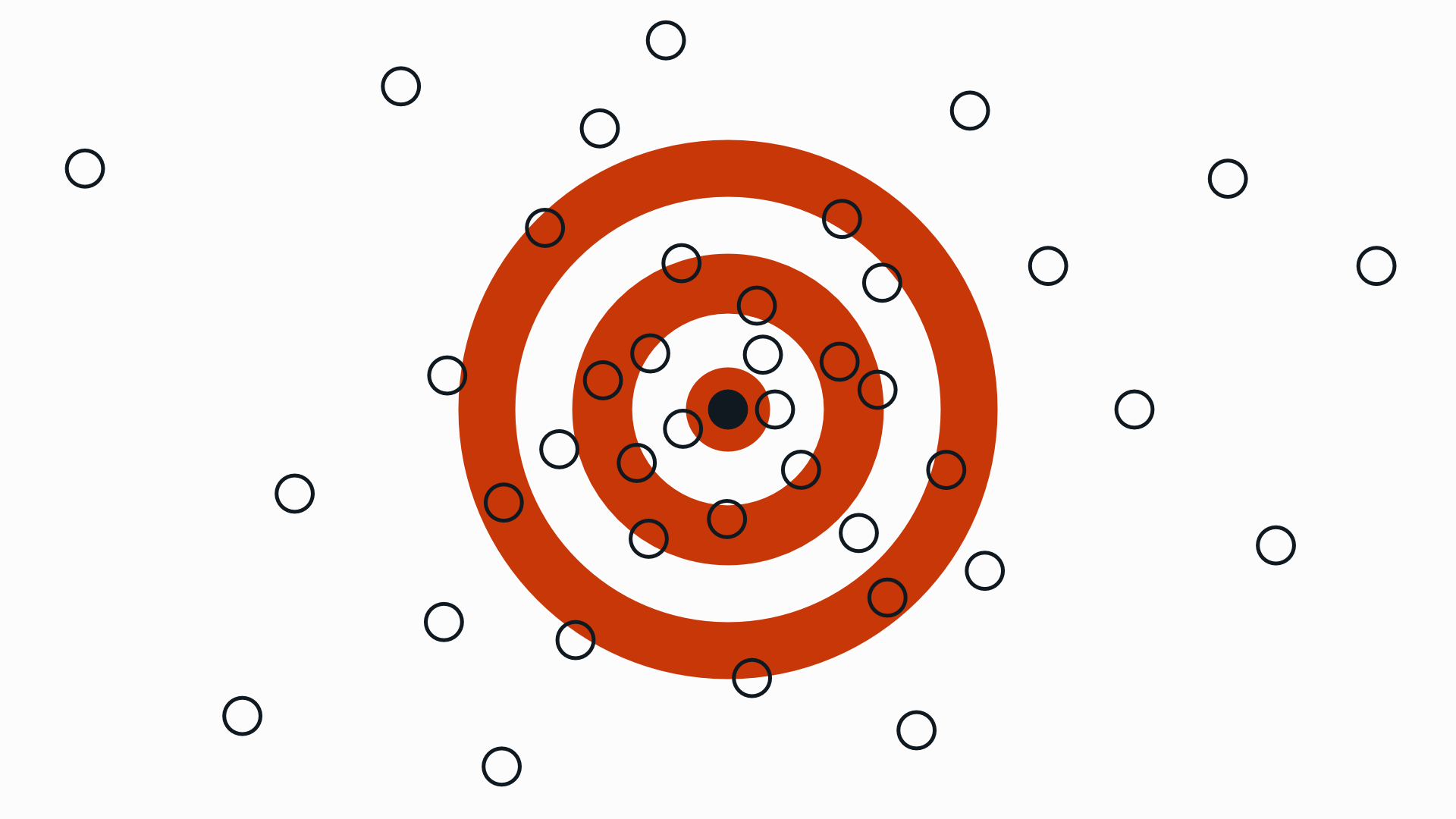
Artificial
An LLM is a computer program. We should talk about it like a computer program.

I Built an LLM From Scratch
Build agents, not pipelines
There are only two ways to use LLMs in a computer program: as part of a pipeline, or as an agent. In other words, either you express the control flow of the program in code, or you give a LLM tools and allow it to manage the control flow itself1.
Are we evolving from pages to apps to agents?
Recently, Vercel came to London and teamed up with Anthropic’s local chapter to host a skills event.

Giving LLMs a personality is just good engineering
AI skeptics often argue that current AI systems shouldn’t be so human-like. The idea - most recently expressed in this opinion piece by Nathan Beacom - is that language models should explicitly be tools, like calculators or search engines. Although they can pretend to be people, they shouldn’t, because it encourages users to overestimate AI capabilities and (at worst) slip into AI psychosis. Here’s a representative paragraph from the piece:
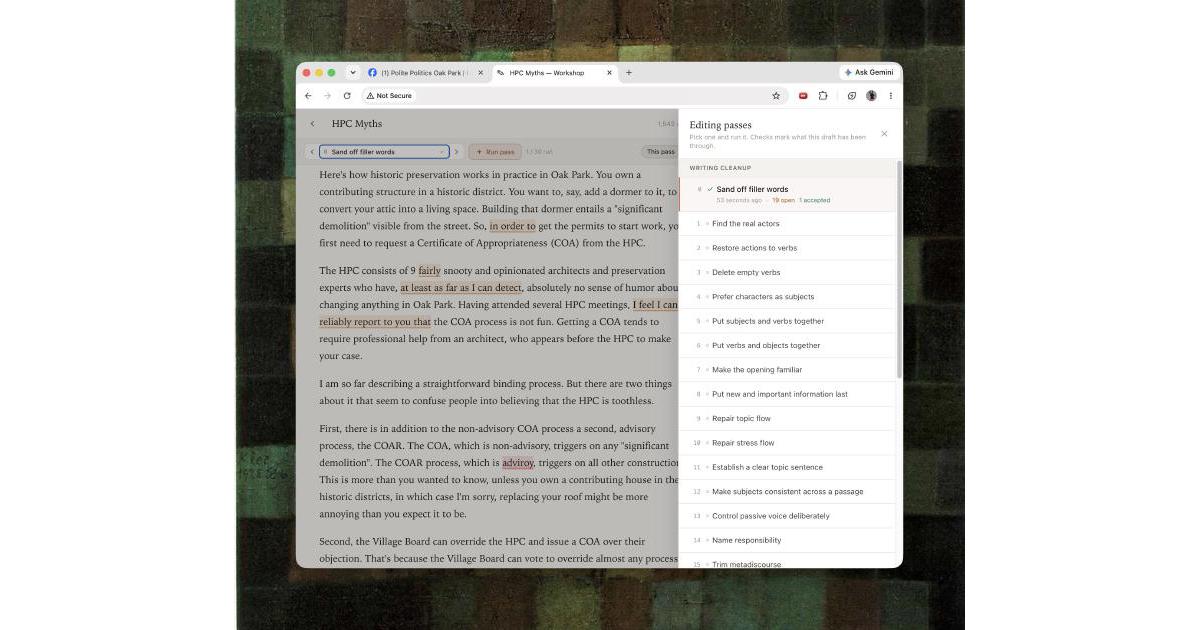
How To Write With An LLM
Two rules keep an LLM from pasteurizing your writing: never take a word it suggests, and never let it encourage you. Then hand it all the tedious work.
Agent skill · Libraries.dev
Teach your coding agent Border beam, Thinking orbs, Gooey, Voice, Bot avatars, Liquid metal and Image.


How LLMs Actually Work
A from-the-ground-up walkthrough of how modern LLMs work, from tokens to transformer blocks to the next-token loop
Rotating the Space: On LLMs as a Medium for Thought
An essay on LLMs as a cognitive medium
Managing Agent Skills with Your Package Manager | pavel.pink
AI coding agents use skills — markdown files that teach them domain-specific tasks. We publish ours as conda packages and manage them with pixi, getting versioning, lockfiles, and supply chain security for free.