


Traditional climate action strategies often overlook the critical role of social cohesion. This study explores how social protection programs and community unity can bolster climate resilience and ...
Leveraging agency for climate change mitigation
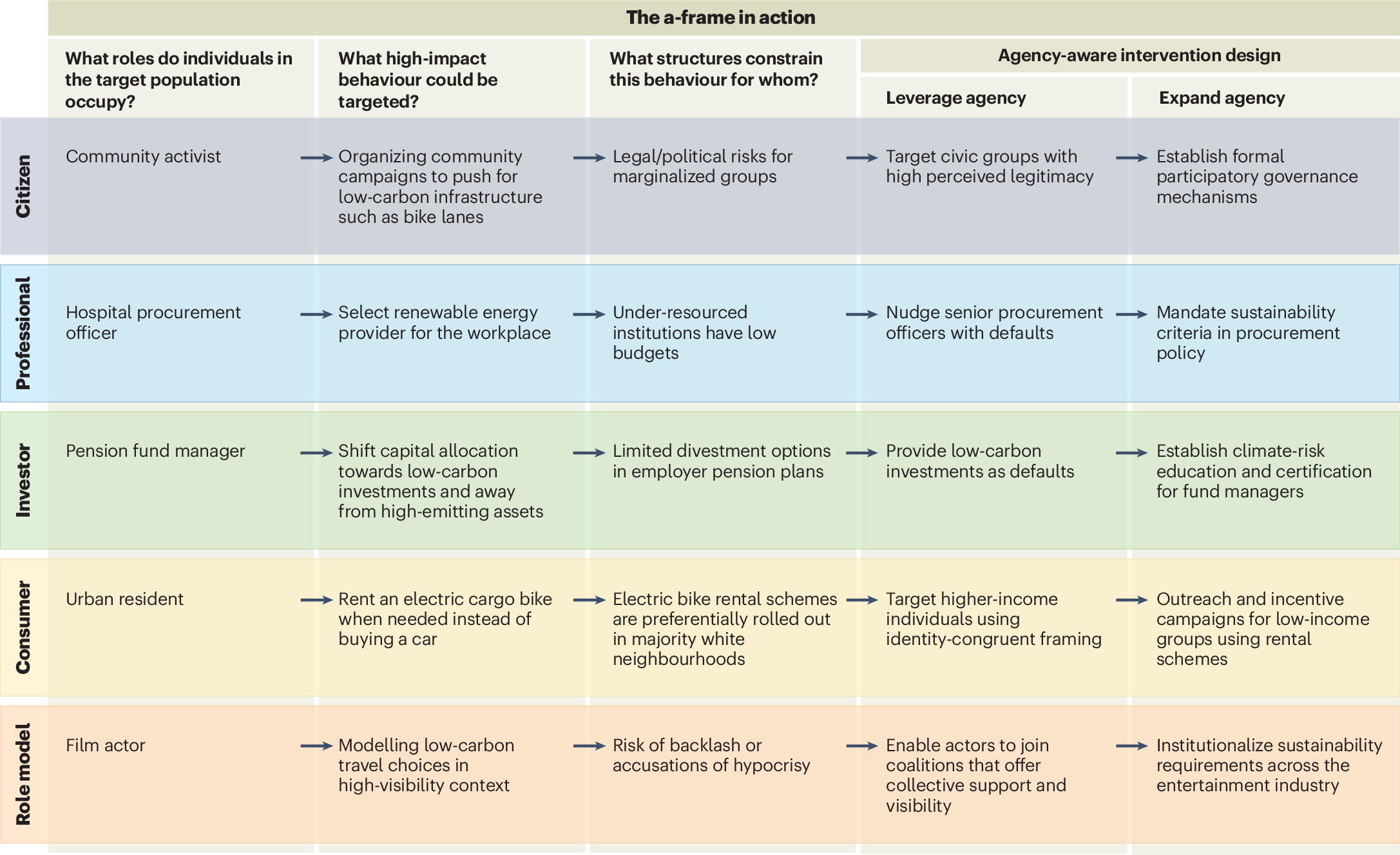
Climate debates often frame individual behaviour and systems change as distinct pathways to action. We suggest that social change arises from individuals’ agency within their roles in societal systems, and that this agency should be actively leveraged to achieve meaningful climate change mitigation.
Climate Change: Global Crisis To Local Action By Kevin Anderson
The Gargantuan Lie That is Collapsing The World’s Climate
Thinking we have time left to address climate change, or that “Net Zero by 2050” will save us, is driving us toward full social collapse in ways that become more obvious with every new broken temperature record.

Fighting for a Livable Future: Exploring Frontier Climate Interventions - The Great Simplification
While current conversations about global heating tend to center around a few well-established pieces of science, we don’t often hear about the scientists and leaders working at the frontier of what is still unknown about Earth’s systems. This includes unpredictable tipping points and cascading effects of our rapidly changing climate, as well as the unconventional adaptation strategies that might help us maintain a stable planet. What is the newest climate science being researched right now, and what areas are we still needing to explore as we fight for a livable future?

Social Capital - Hitchhiker's Guide to the Atmosphere
The problem Atproto is solving
The fastest way to lose someone in a climate conversation? Start with the facts. Climate scientist Katharine Hayhoe explains why people are more likely to engage when we begin with shared values… | TED Countdown
The fastest way to lose someone in a climate conversation? Start with the facts. Climate scientist Katharine Hayhoe explains why people are more likely to engage when we begin with shared values instead. ⬇️
Correcting climate ‘misperceptions’ may not boost climate action - Carbon Brief
Most people "underestimate" general support for climate change and "overestimate" actual, real-world climate action.
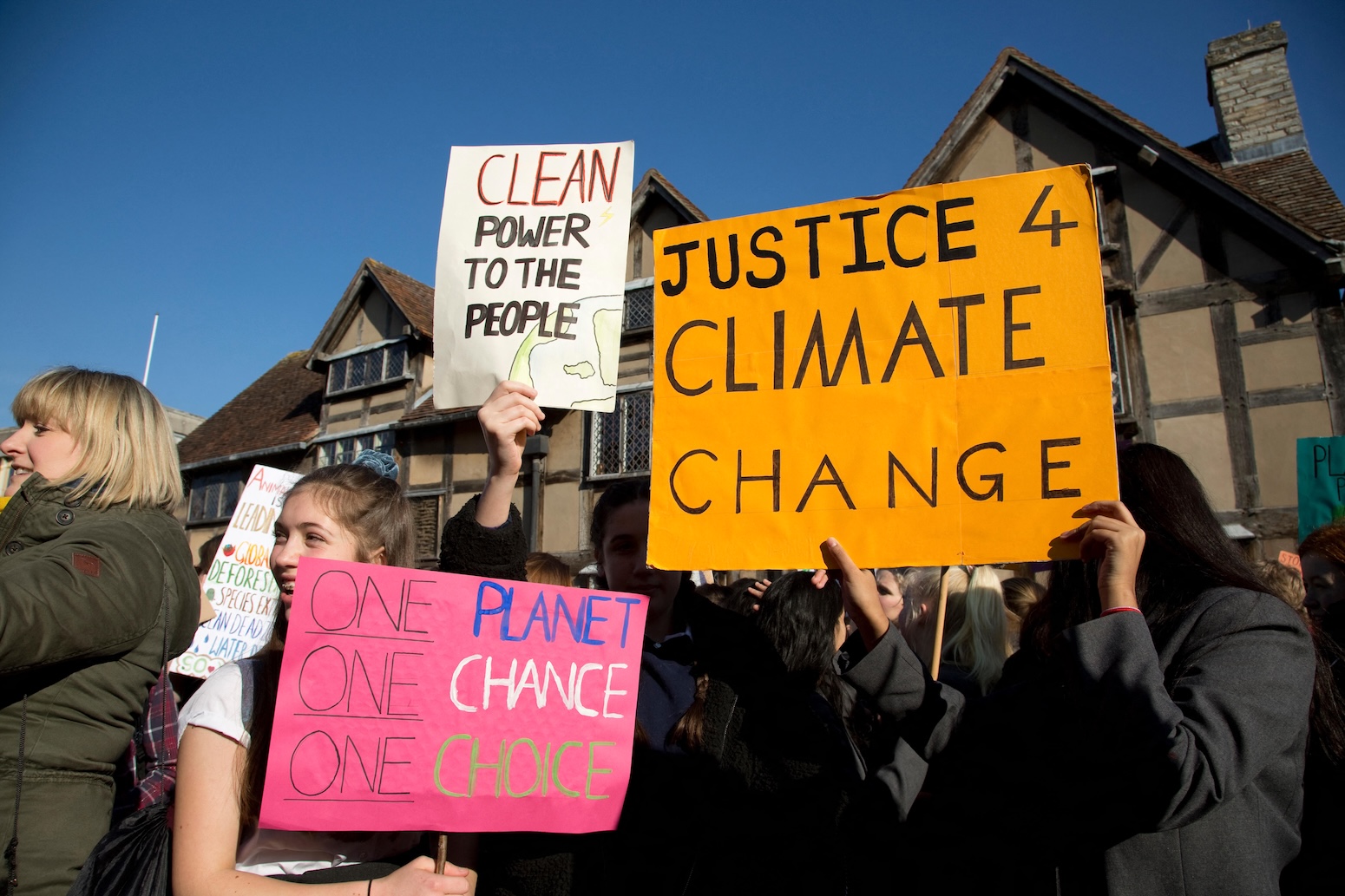
Fighting for a Livable Future: Exploring Frontier Climate Interventions with Kelly Erhart
Listen to Fighting for a Livable Future: Exploring Frontier Climate Interventions with Kelly Erhart from The Great Simplification with Nate Hagens wherever you get your podcasts!
Money for mutual resilience: Introducing Blacksky Cash
Mutual aid has always been about more than money. But money, shared intentionally, can be a powerful expression of solidarity. This is us building toward that future.

Summer’s new normal is a hazard that’s testing Europe’s climate resilience
As people across Europe are having to acclimatise to an unprecedented heatwave, coordinated responses for tackling extreme heat need to come from the top, and there’s no time to lose.

Fighting for a Livable Future: Exploring Frontier Climate Interventions with Kelly Erhart
Tiny Publics: Small Groups and Civil Society
It has been conventional to conceptualize civic life through one of two core images: the citizen as lone individualist or the citizen as joiner. Drawing on analyses of the historical development of the public sphere, we propose an alternative analytical framework for civic engagement based on small-group interaction. By embracing this micro-level approach, we contribute to the debate on civil society in three ways. By emphasizing local interaction contexts-the microfoundations of civil society-we treat small groups as a cause, context, and consequence of civic engagement. First, through framing and motivating, groups encourage individuals to participate in public discourse and civic projects. Second, they provide the place and support for that involvement. Third, civic engagement feeds back into the creation of additional groups. A small-groups perspective suggests how civil society can thrive even if formal and institutional associations decline. Instead of indicating a decline in civil society, a proliferation of small groups represents a healthy development in democratic societies, creating cross-cutting networks of affiliation.
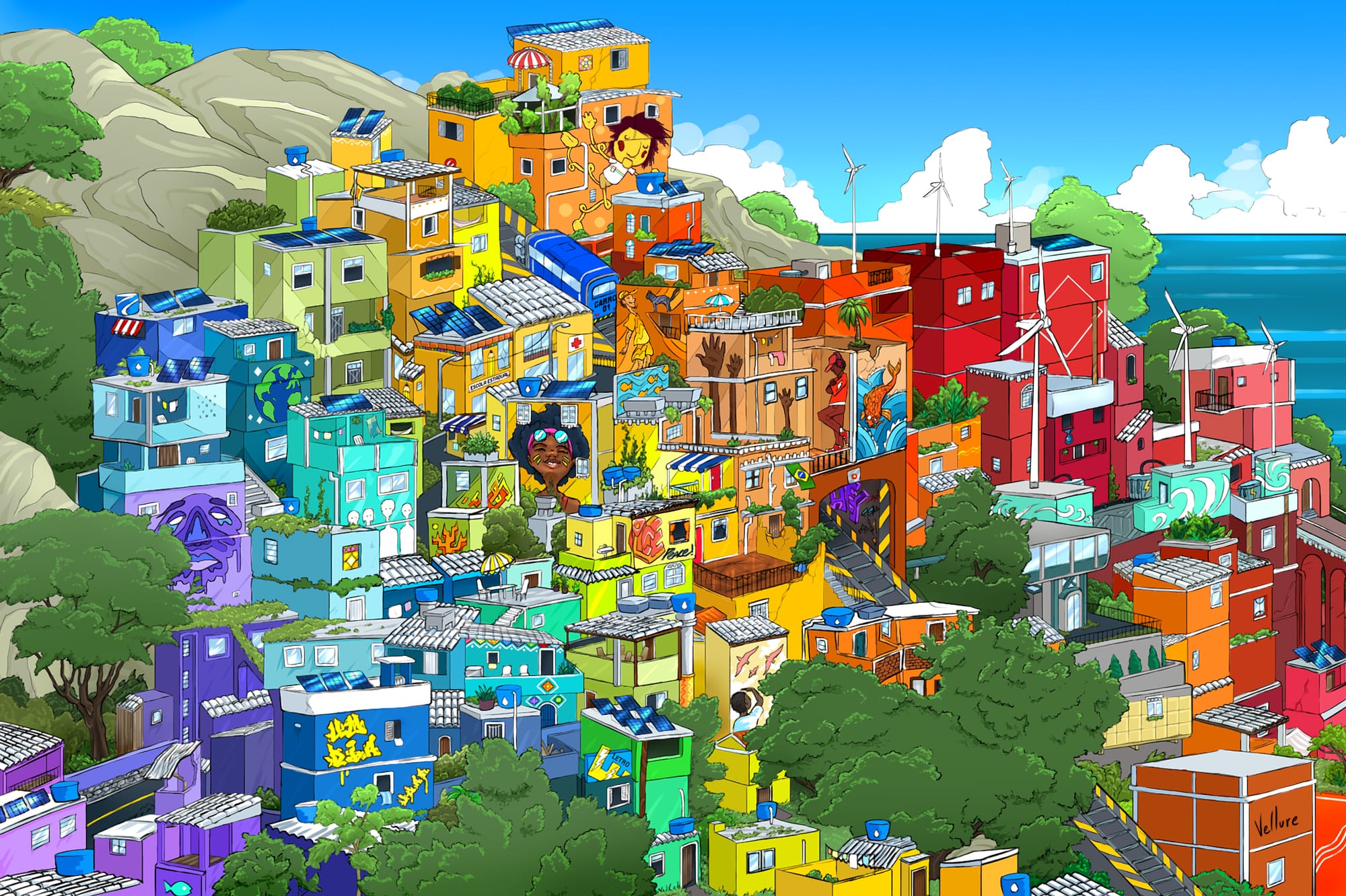
Village-scale resilience
The end-of-the-world already happened, it's just not evenly distributed. But with every end is a new beginning.
Disaster risk reduction
Disaster risk reduction aims to make disasters less likely to happen. The approach, also called DRR or disaster risk management, also aims to make disasters less damaging when they do occur. DRR aims to make communities stronger and better prepared to handle disasters. In technical terms, it aims to make them more resilient or less vulnerable. When DRR is successful, it makes communities less the vulnerable because it mitigates the effects of disasters. This means DRR can make risky events fewer and less severe. Climate change can increase climate hazards. So development efforts often consider DRR and climate change adaptation together.

