Professor Phil Ford and writer J. F. Martel host a series of conversations on art and philosophy, dwelling on ideas that are hard to think and art that opens up rifts in what we are pleased to call "reality."

People Who Can't Visualize Anything Are Challenging a 300-Year-Old Theory of Thought
Mental imagery might not be as central to complex human thought as we believed, philosophers say.

What does it really mean to have a moment of insight? | Psyche Notes to Self
From art to science to love, the moment of insight happens when we see a likeness between different things
Trevor Paglen and Holly Herndon on Making Art with AI and What the Discourse Is Missing
The artists talk process, slop, and why optimism and pessimism don’t quite cover it.

On the Concept of the Political in AI-Generated Art – Open Assembly
Plotting is an online publication gathered and organized by LASP Rietveld.

A Showcase Of Caravan Sandwitch's Beautiful Art
We chat with art director Charles Boury about the game's various visual inspirations.

The 1989 CBC Massey Lectures, "The Real World of Technology"
Technology has always been a part of human existence. Today though, says the experimental physicist, Ursula M. Franklin, technology has large-scale effects on culture itself. Ursula Franklin is an experimental physicist, University Professor Emeritus at the University of Toronto, a former board member of the National Research Council and the Science Council of Canada, and a companion of the Order...

Humanists Have Done Nothing Wrong | Defector
For many years, I’ve held a pet theory that cultural consumers can be grouped into two broad categories: Primary Source People and Secondary Source People. The former are the book lovers, cinephiles, archive perusers, and history buffs who grew to love their areas of study because of the specific objects that constitute the field: the…
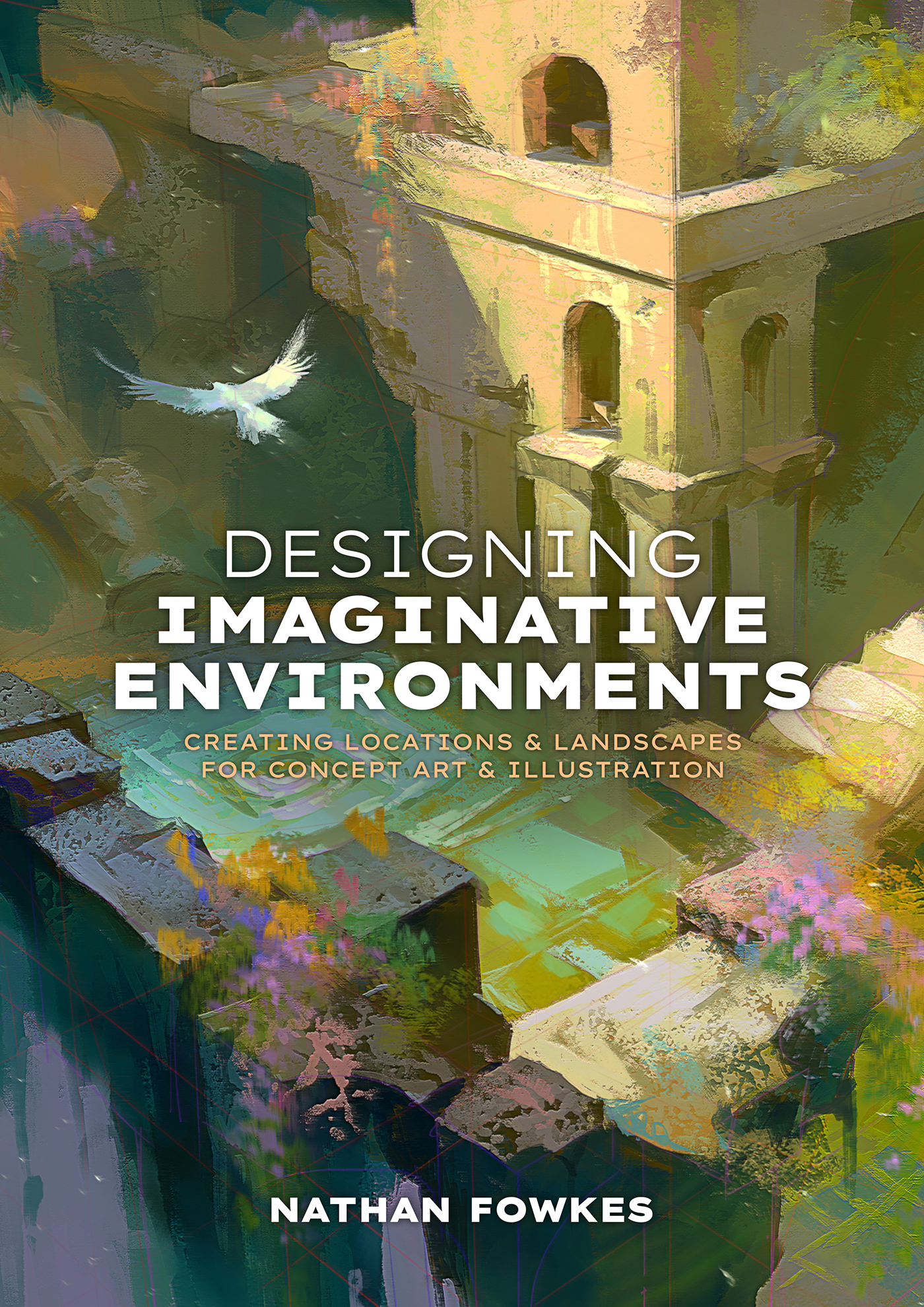
Designing Imaginative Environments by Nathan Fowkes
Join industry veteran Nathan Fowkes on a deep dive into the hows and whys of designing environments for entertainment. From creating mood with color and light, to exploring different biomes and weather, to crafting architecture and props, he will teach you how to design amazing environments that make your work stand out from the crowd.
kottke.org
Jason Kottke's daily links and commentary on art, science, technology, design, film, and culture since 1998.

The Colonization of Confidence., Sightless Scribbles
A fabulously gay blind author.
Rotating the Space: On LLMs as a Medium for Thought
An essay on LLMs as a cognitive medium
AI Safety Is a Narrative Problem · Special Issue 5: Grappling With the Generative AI Revolution
This op-ed explores power and narrative dynamics around AI. Drawing on pop-culture references, the professional experiences of the author and examples from 2023’s “Great AI Safety Hype Roadshow,” this piece draws on the literary criticism technique of practical criticism to consider how speeches and announcements from both Silicon Valley executives and research scientists to interrogate the media-friendly nature of p(doom) discourse—which focuses on the existential risks of AI (PauseAI, 2023)—and its likely consequences. The complexities of AI and its numerous social impacts can be difficult for even the most expert analyst to unpack. In spite of this, the potential of “existential threats” has successfully cut through to become a mainstay of mainstream media coverage over the last year. This piece will make the case that this is an effective narrative conceit that has achieved a number of ends that traditional science communication tends to find difficult, if not impossible, to achieve. Firstly, it is easy to understand. Simplification of this nature—that removes jargon and complexity and focuses on a single outcome—is much easier to fit on a TV rolling news ticker or on the cover of a tabloid newspaper than more well-balanced, representative opinions. Secondly, it inherits prior assumptions from well-known dramatic forms. P(doom) plays to stories familiar from Greek tragedy through to Marvel movies, in which lone male heroes battle ineluctable forces. Thirdly, it is imbued with urgency and so becomes difficult to ignore.

Escaping the Calculating Machine
Rhizome champions born-digital art and culture through commissions, exhibitions, scholarship, and digital preservation.

People & Technology
To understand AI’s effect on moral character, ethicist Kwame Anthony Appiah goes back to John Stuart Mill, and the idea that people are shaped by their choices.