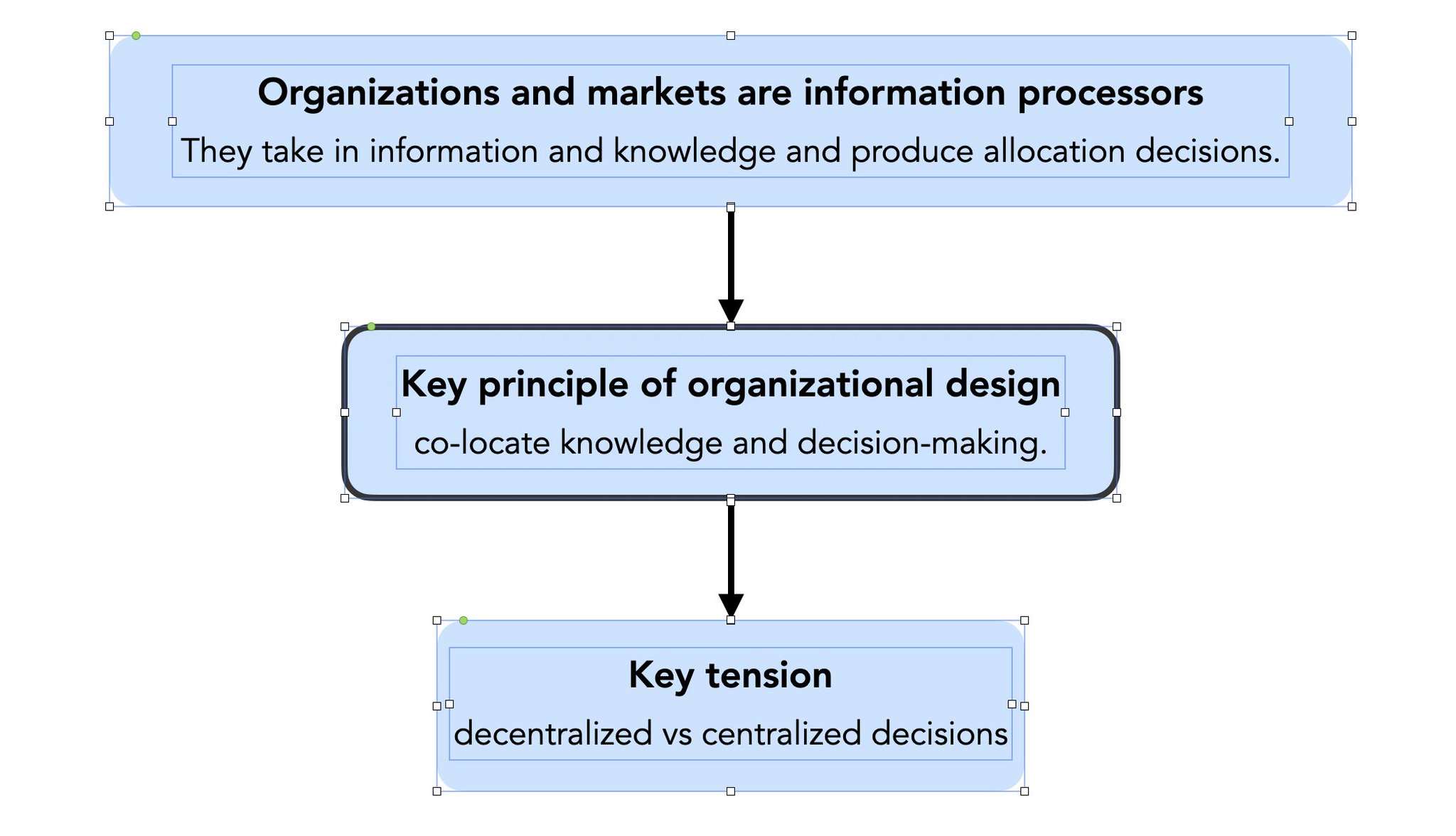
The @nytimes piece today by @ByrneEdsal13590 highlights a concern I share: “If we stay on the current path, the risk of extreme concentration — both economic and political — is very real.”In work with @zhitzig, we ask why AI may shift the balance between dispersed knowledge… pic.twitter.com/10vOTRj4Dq— Erik Brynjolfsson (@erikbryn) March 17, 2026
The Missing Institution: A Global Dividend System for the Age of Transformative AI — Digitalist Papers
How do we share prosperity in society if work no longer sits at the center of people’s lives? In this essay, Anna Yelizarova explores one provocative possibility: a “global dividend.” If transformative AI shows little respect for national borders, with effects that spill across countries, then we ne

Bernie Sanders’ AI Sovereign Wealth Fund Plan - Schneier on Security
Let no one accuse Bernie Sanders of ducking the big questions. Writing in the New York Times last week, the senator asked: “Will the future of humanity be determined by a handful of billionaires who have promoted and developed AI, with virtually no democratic input, who stand to become even richer and more powerful than they are today?” We agree entirely that this is one of the most potent questions facing global democracy today. Our book, Rewiring Democracy, surveys the emerging uses for and impacts of AI in democracy around the world and reaches the same conclusion: that the most urgent risk posed by AI is the ...
A Real Political Economy of Technology - The Ideas Letter
Two technological futures are competing for political and material priority: generative AI and the green transition. Benanav argues that while AI is marketed as a world-reordering breakthrough, its productivity gains…

The Arguments Against Open Source AI are Very Bad | Tom Bedor's Blog
The release of Kimi K3 has opened a fresh round of angst and confused discourse. There's a loud cohort of journalists, business leaders, and politicians arguing that open source AI is a dangerous threat. OpenAI's Dean Ball:

AI and the Fall? of the Creative Class
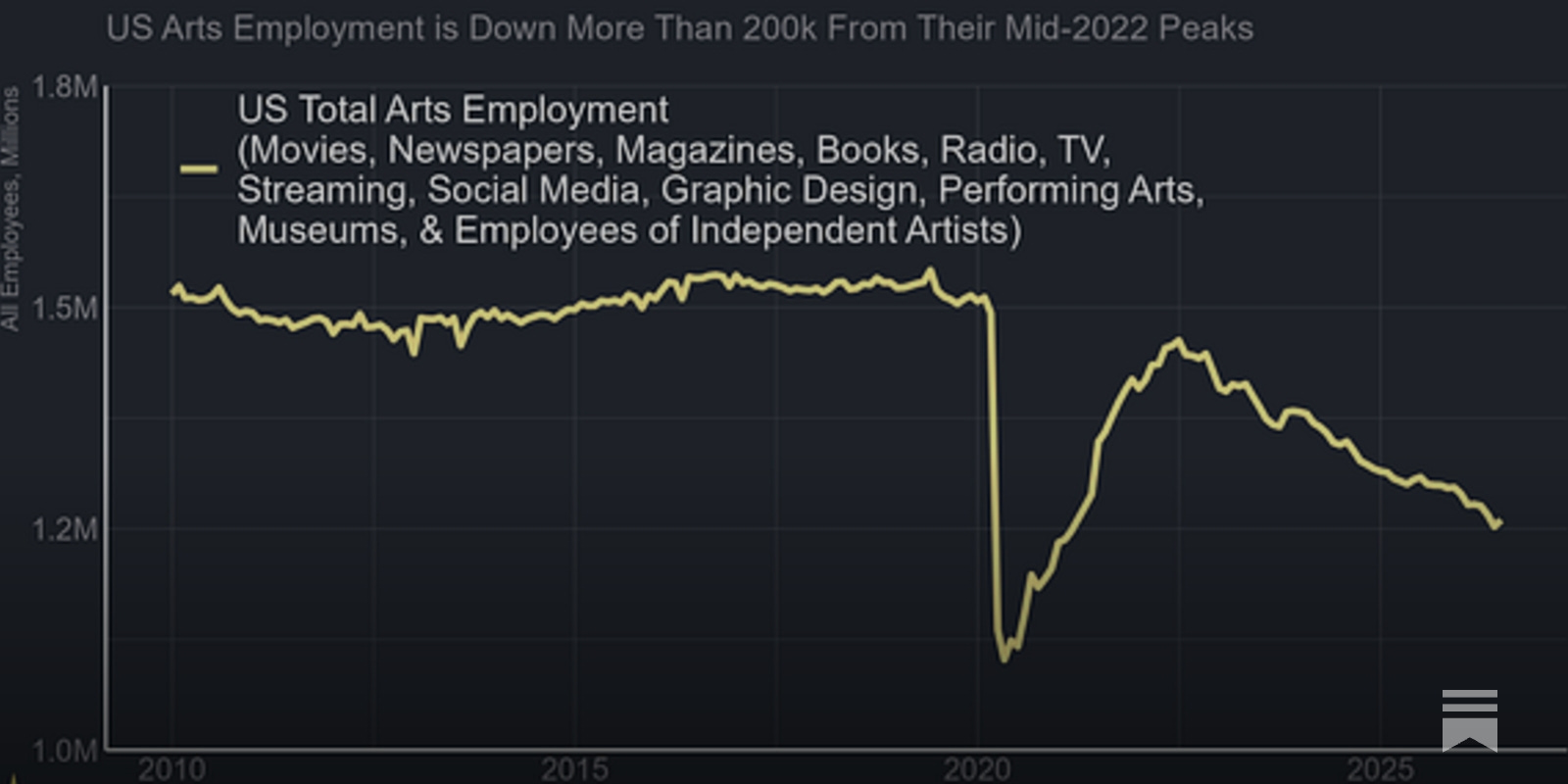
America is Losing Hundreds of Thousands of Jobs in Media, Film & the Arts. How Much is AI to Blame?
Field Theory: AI as Social Science Question, Object & Tool
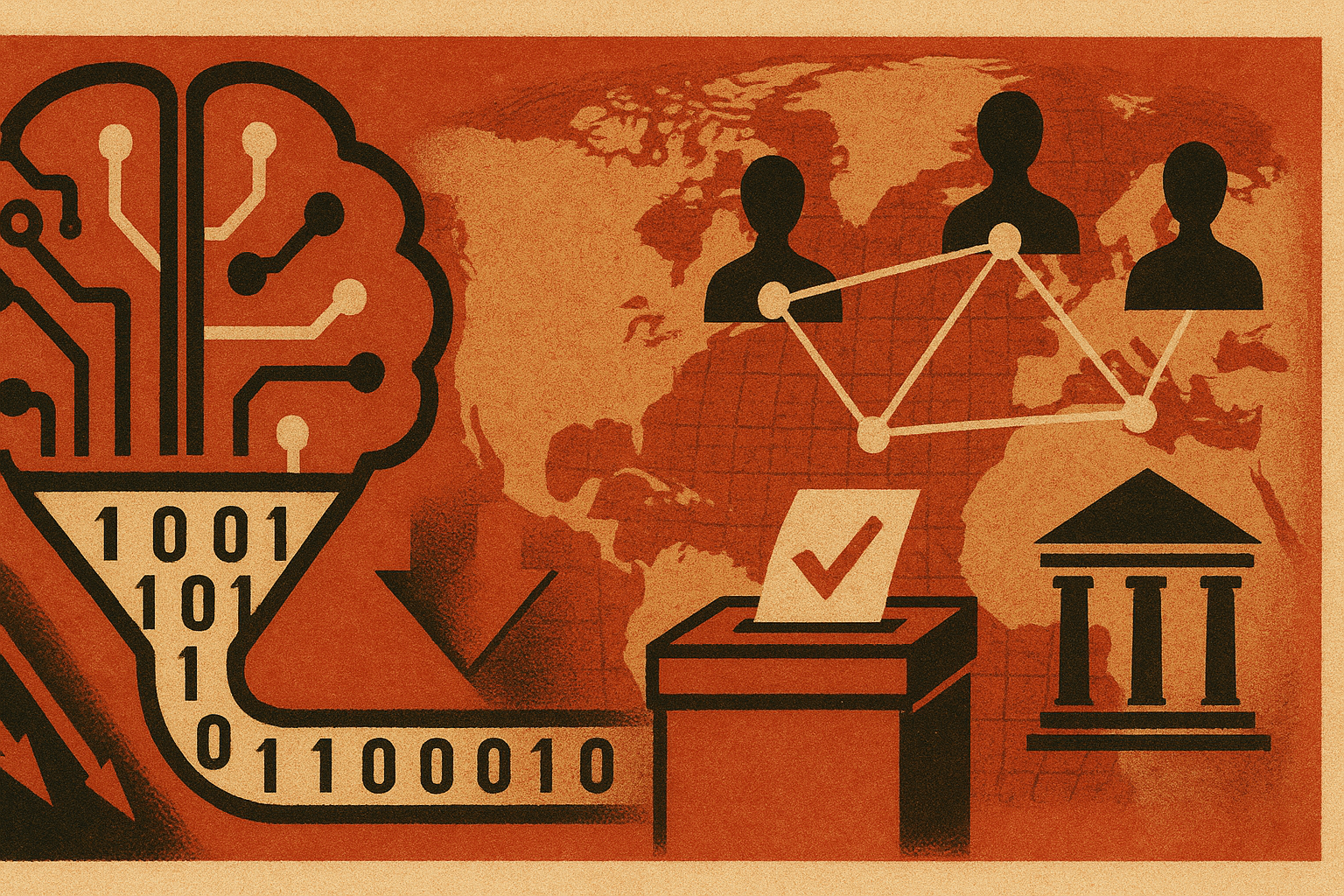
Uses of advanced artificial intelligence are changing how societies organize labor, govern, produce knowledge, and make meaning. In light of these developments, this essay argues that AI models, tools, and systems pose three interrelated imperatives for social science: they demand renewed attention to social theories of how technology, human experience, and social order are entangled; they require study as objects of inquiry in their own right; and they offer capabilities that may transform—or upend—the practice of social investigation itself. From Weber’s analysis of rationalization to Du Bois’s study of technology and inequality to contemporary scholarship on algorithmic governance, the essay examines what social science distinctively offers: the capacity to historicize the apparently unprecedented, to trace connections across scales, and to center those most affected by technological change. It identifies how algorithmic systems are remaking the distribution of opportunity and risk as a central task of social inquiry and asks what futures social science might help bring into being.
After the feed with Eli Pariser, Ben Smith, and Jasmine Sun
The fall of the theorem economy
How AI could destroy mathematics and barely touch it

The Socialist Charcuterie Board - The Ideas Letter
Taking issue with Benanav’s institutional vision of a democratic political economy of technology, Morozov argues that generative AI exposes a deeper problem that socialism has yet to solve: how to…

Andrew Ng: The Biggest Opportunities in AI Aren't Where You Think
AI, I tried to love you – Writings and rehearsals by Nathan Schneider
Among my peers who study the cultures and economies surrounding technology, I often find myself more tech-positive than most. On the whole I like computers, like the internet, and like in general the emergent human creativity that these things have enabled and revealed. A source of my appreciation is that I expend a lot of effort on the practice of “slow computing,” which is to say, choosing tools and technical communities that I can feel in right relationship with. I tend to approach new socio-technologies (like gig economies, blockchains, and social media) not from a perspective of why is this so bad? so much as asking how could we do this right?

Wikipedia Is Battling for the Soul of the Internet
The internet’s largest stockpile of free knowledge is under threat from MAGA, A.I. and foreign autocrats. A bibliophile ex-ambassador is here to help.

Implicit Feudalism — Rushkoff Archive
Too many of us think it doesn’t matter when a platform like X/Twitter has a single, all-powerful owner. Most of our online worlds are simply run by what we hope are benevolent dictators. After all, we figure, if we don’t like what they’re doing or allowing, we can just leave, right? But in most cases we’re just jumping from one rich dude’s idea for how the world should be to another rich dude’s idea for how the world should be.
Europe 2031 — What getting AI wrong means for us
A five-year scenario about AI and Europe's impending slide into irrelevance, with a 2034 epilogue that describes how the collapse of the European model could have been prevented.

Automate the C-Suite - The Ideas Letter
Weatherby argues that Benanav’s and Morozov’s essays on AI and the left miss a deeper reality: Today’s AI is not a neutral tool operating within capitalism but the materialization of…