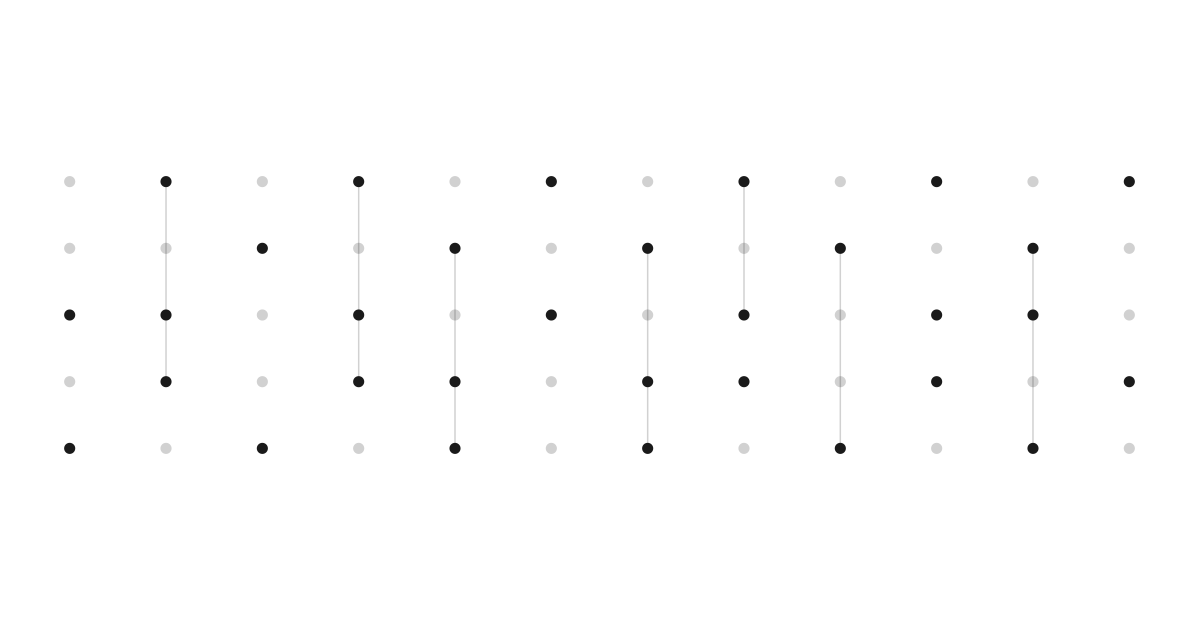
You'd think that given the same bytes of input you'd get the same bytes of output. lol. lmao. No, you don't. It's complicated.
A faster way to calculate the day-of-the-week
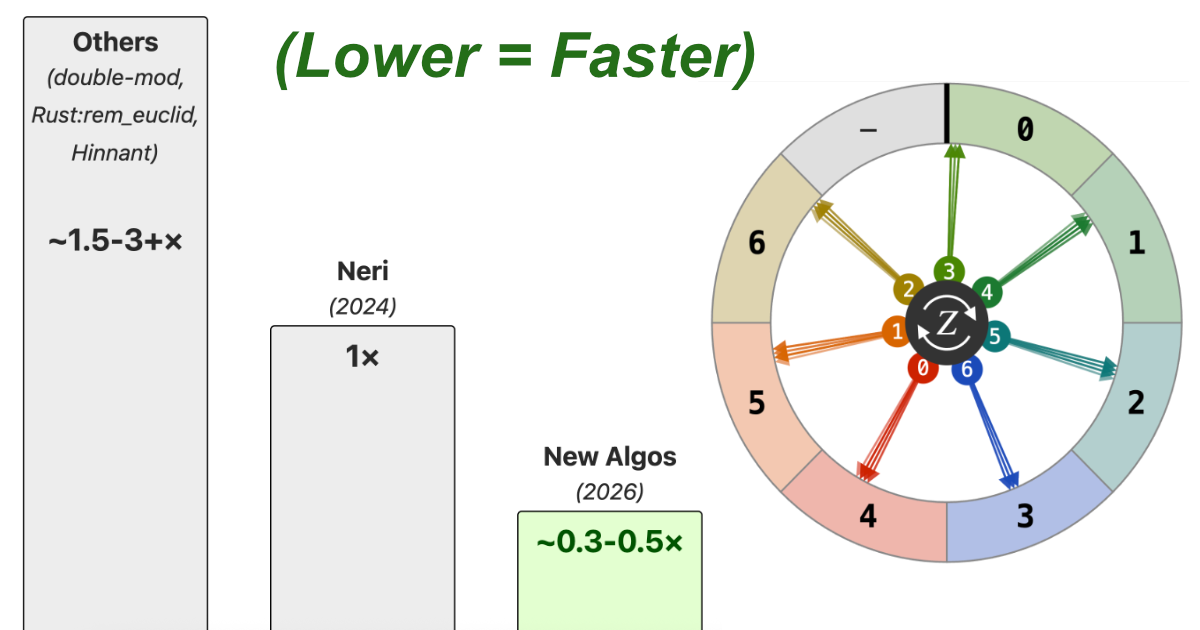
A range of fast modulus techniques that beat compiler output
Deterministic Core, Non-Deterministic Shell - Outdata
Determinism, architecture, and the de-sloppification of legacy code.

Intuiting Pratt parsing
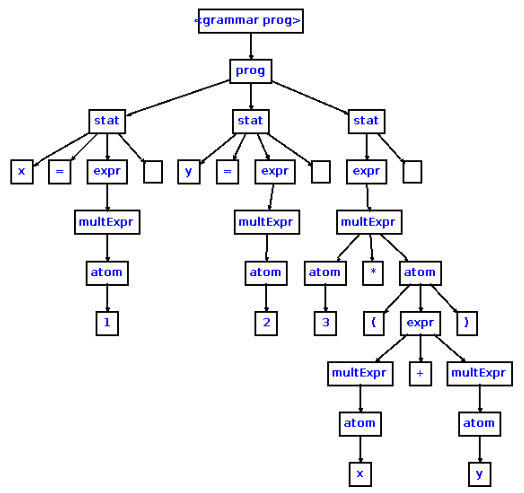
You already know that a + b * c + d is calculated as a + (b * c) + d. But how do you encode that knowledge precisely enough for a machine to act on it?
Modular: The Claude C Compiler: What It Reveals About the Future of Software
Compilers occupy a special place in computer science. They're a canonical course in computer science education. Building one is a rite of passage. It forces you to confront how software actually works, by examining languages, abstractions, hardware, and the boundary between human intent and machine execution.

"Concatenative programming and stack-based languages" by Douglas Creager
Claude Is Not a Compiler - exe.dev blog
In early 2025, I wrote Is Claude a Compiler? At the time, my answer was: I don’t know.

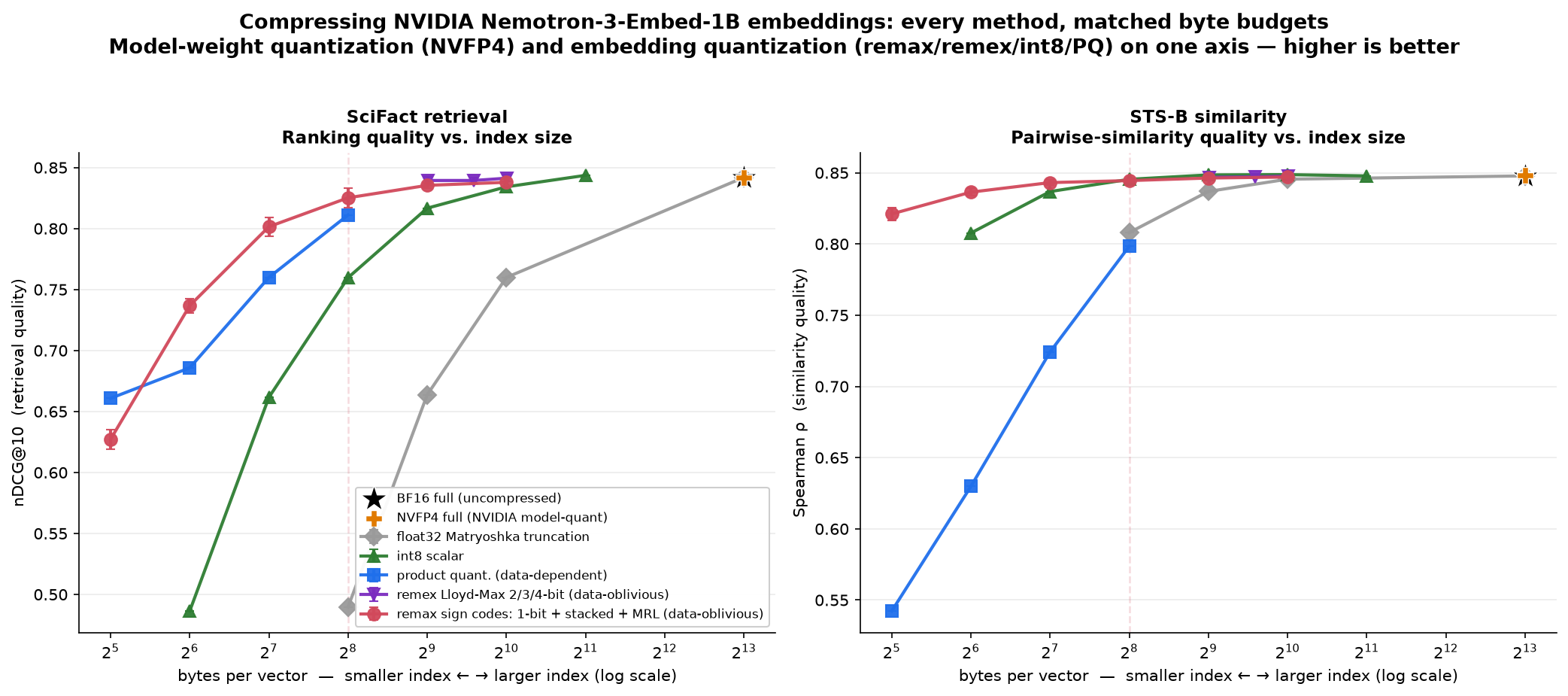
A 4-Bit Model and a 1-Bit Index
Running NVFP4 Nemotron on a CPU, then mapping every embedding-compression method at matched byte budgets. The two quantizations compose.
Write-Only Code | Heavybit
AI may be accelerating software into a world of "write-only" code that forces a rethink of culture, processes, and tools. Heavybit’s Joseph Ruscio explains.
Self-Instruct: Aligning Language Models with Self-Generated Instructions
Large "instruction-tuned" language models (i.e., finetuned to respond to instructions) have demonstrated a remarkable ability to generalize zero-shot to new tasks. Nevertheless, they depend...

Coding After Coders: The End of Computer Programming as We Know It - …
archived 16 Mar 2026 15:14:04 UTC

Adam74
Something that struck me reading about the history of the Apple I computer was the fairly simple “ASCII bus” that it used for input and output. As I understand it a hobbyist back in the day could get an ASCII keyboard that quite literally presented as an interface a header giving 7-bits of ASCII and an additional strobe pin that indicated that a key had been pressed. Press the “A” key on the keyboard and the 7-bits representing the letter “A” in ASCII would be set high/low on 7 output pins and the strobe pin would momentarily go high. Needless to say, the Apple I was wired up in such a way that when the strobe pin pulsed it would immediately fetch the 7-bits of ASCII from the keyboard.
GrandPerspective — PDS edition
See where an atproto repository's bytes actually go, and act on what you find.
Semantic Compression
An introduction to the idea that code should be approached with a mindset towards compressing it semantically, rather than orienting it around objects.

Can LLMs Be Computers? | Percepta
We build a computer inside a transformer — executing arbitrary C programs for millions of steps with exponentially faster inference via 2D attention heads.